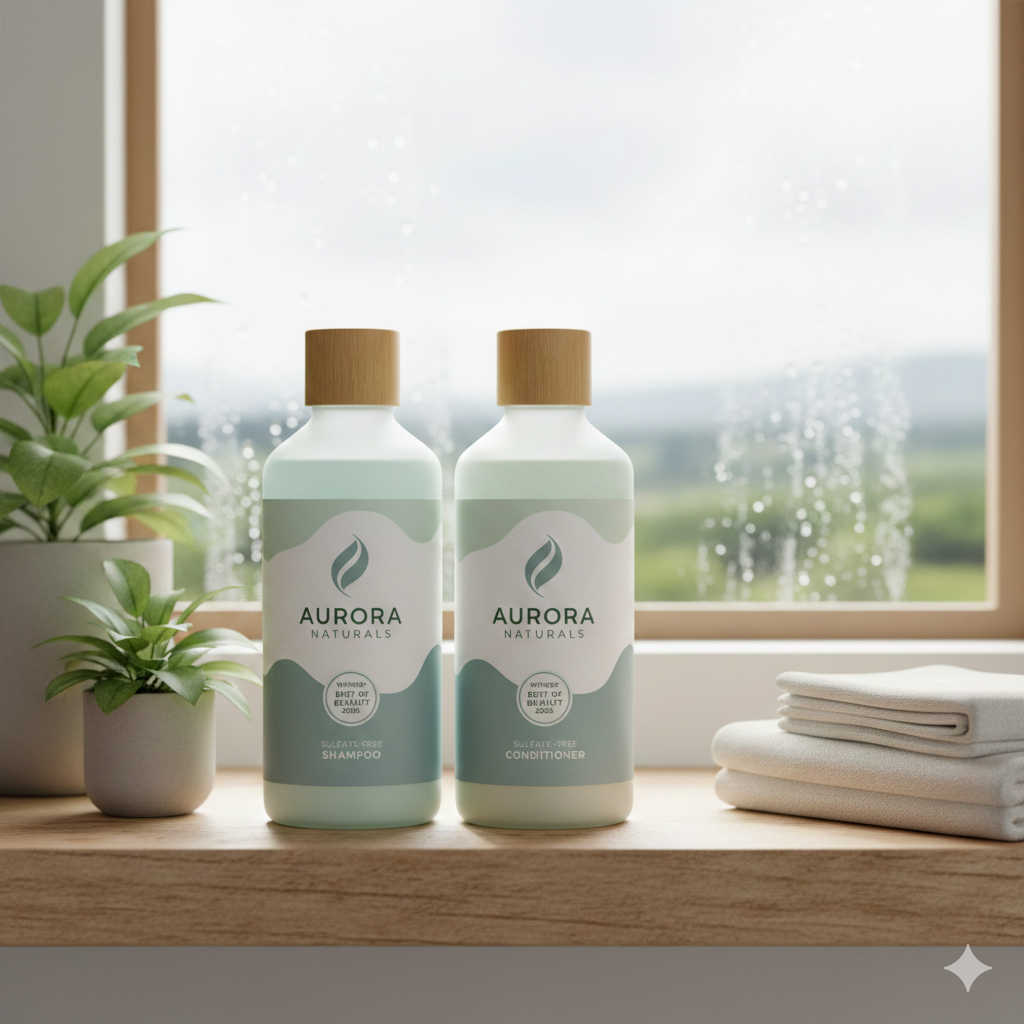
Haircare has evolved beyond simply picking whatever bottle is on sale at the store. Today’s consumers are more ingredient-aware, more conscious of scalp health, and more interested in long-term hair quality than quick cosmetic fixes. One of the biggest shifts in recent years has been the rise of sulfate-free shampoo and conditioner — once a niche option, now a mainstream staple in bathrooms around the world.
If you’re searching for the best sulfate-free hair-care options in 2026, you’re likely trying to protect moisture, reduce irritation, maintain color treatments, or improve overall hair texture. This guide explains what sulfate-free products really do, who benefits most from using them, and which products are worth considering right now. It’s written to help readers make informed decisions — not just follow trends.
What Sulfates Are and Why They Matter
Sulfates are cleansing agents commonly used in shampoos to remove oil, dirt, and buildup. They create the foamy lather many people associate with cleanliness. While effective, they can also strip away natural oils that protect and condition the hair and scalp.
That stripping effect isn’t inherently harmful for everyone. For people with oily scalps, sulfates can be useful. But individuals with dry, curly, damaged, or chemically treated hair often find that frequent use leads to rough texture, dullness, or irritation. This is where sulfate-free formulas come into play.
Instead of aggressive surfactants, sulfate-free shampoos rely on gentler cleansing ingredients designed to preserve the scalp’s natural balance. The goal isn’t just cleaning — it’s maintaining hydration and structural integrity of the hair shaft.
Why Sulfate-Free Products Continue Growing in Popularity
Moisture Preservation
Hair needs a certain level of natural oil to remain flexible and resistant to breakage. Sulfate-free shampoos are typically less aggressive, helping retain that protective layer. Over time, this can lead to softer texture, reduced frizz, and improved manageability.
Better Compatibility With Color and Chemical Treatments
Hair that’s dyed, bleached, keratin-treated, or relaxed is structurally more fragile. Gentle cleansers minimize pigment loss and help maintain treatment longevity.
Scalp Comfort
People prone to dryness, itchiness, or sensitivity often experience fewer symptoms when switching to milder formulations.
Shift Toward Ingredient Transparency
Consumers increasingly want products aligned with wellness and sustainability values. Sulfate-free labeling signals a gentler approach, even though effectiveness still depends on overall formulation quality.
Who Should Consider Sulfate-Free Shampoo and Conditioner
While anyone can use them, these groups benefit most:
- Individuals with dry or curly hair
- Those with dyed or chemically processed hair
- People experiencing scalp sensitivity
- Anyone trying to reduce frizz or breakage
Those with extremely oily scalps or heavy product buildup may need occasional clarifying washes, but sulfate-free can still serve as the primary routine.
How to Choose the Right Sulfate-Free Formula
Match the Product to Hair Type
Fine hair needs lightweight hydration. Thick or curly hair benefits from richer conditioning systems. Color-treated hair should prioritize protective antioxidants.
Evaluate Ingredients Beyond the Label
“Sulfate-free” alone doesn’t guarantee quality. Look for beneficial components like:
- Plant oils for lubrication
- Humectants for moisture retention
- Proteins for strengthening
- Ceramides for barrier support
Consider Conditioner Synergy
Shampoo and conditioner should complement each other. A balanced system improves detangling, reduces mechanical damage, and stabilizes moisture.
Recommended Sulfate-Free Shampoo and Conditioner Options in 2026
The following selections cover different budgets and hair goals, making them practical entry points for readers.
Hydration and Color Protection
Pureology Hydrate Shampoo & Conditioner
A salon-grade option known for deep moisture support and color longevity. Lightweight botanical ingredients help maintain shine without weighing hair down. Particularly suited to processed or dehydrated strands.
L’Oréal EverPure Moisture System
A dependable mid-range choice balancing affordability and performance. Formulated to strengthen and hydrate while maintaining manageability, making it accessible for daily use.
Dermatology-Focused Scalp Care
CeraVe Gentle Hydrating Shampoo & Conditioner
Brings skincare-style science into haircare. Ingredients associated with barrier support and hydration help calm sensitive scalps while improving texture and smoothness. Ideal for users prioritizing scalp health.
Everyday Moisturizing Options
Aveeno Oat Milk Blend Shampoo & Conditioner
Designed with soothing components that promote softness and reduce dryness. Works well for normal to dry hair types seeking comfort and smoothness.
Pantene Rice Water Strength System
Focuses on reinforcing hair structure and minimizing breakage. Offers balanced hydration without heaviness, making it suitable for regular use.
Thickening or Strength-Focused Choices
Viviscal Thickening Shampoo & Conditioner
Targets fullness and appearance of density while maintaining gentle cleansing. Appeals to individuals concerned with thinning or flat hair.
Mielle Rosemary Mint Strengthening System
Popular among those looking for nourishment and scalp stimulation. Provides a refreshing cleansing experience with emphasis on hydration and strength.
Premium Botanical Experience
14th Night Nourishing Shampoo & Conditioner
A higher-end option blending plant-derived oils with mild cleansing agents. Offers a luxurious sensory profile alongside effective conditioning support.
Conditioner’s Role in a Sulfate-Free Routine
Conditioner isn’t optional — it’s structural support. After cleansing, hair cuticles are more vulnerable to friction and moisture loss. Conditioning formulas:
- Smooth the outer layer of the hair
- Improve elasticity
- Reduce tangling and breakage
- Enhance shine
Skipping this step undermines many of the benefits gained from sulfate-free cleansing.
Common Misconceptions About Sulfate-Free Haircare
Less Foam Means Less Cleaning
Lather intensity isn’t a reliable indicator of effectiveness. Gentle surfactants clean efficiently even without dramatic foam.
Sulfate-Free Works for Everyone
Hair biology varies. Some users may experience buildup or oiliness. Routine adjustment may be necessary.
Switching Produces Instant Results
Hair adaptation can take several washes as oil production balances out.
Emerging Haircare Trends Influencing 2026 Choices
Hybrid Surfactant Technology
Brands increasingly combine multiple mild cleansers to improve performance while preserving gentleness.
Skin-Inspired Formulation
The boundary between scalp care and skincare continues to blur. Ingredients previously reserved for facial products are now common in haircare.
Sustainability
Consumers prioritize eco-friendly packaging and plant-derived components.
Personalization
Digital diagnostics and AI recommendations are helping match individuals to ideal formulations based on lifestyle and hair characteristics.
Building an Effective Haircare Routine
Adjust Washing Frequency
Base your schedule on scalp behavior rather than fixed rules.
Rotate Cleansing Strength
Occasional deeper cleansing can prevent residue buildup.
Minimize External Stress
Heat tools and harsh treatments often affect hair more than cleansing agents.
Support From Within
Diet, hydration, and general wellness influence hair resilience.
Final Perspective
Sulfate-free shampoo and conditioner are no longer trend-driven novelties — they represent a mature segment of modern haircare offering diverse, well-engineered options. Their value lies not in blanket superiority but in targeted suitability. For many people, gentler cleansing supports improved moisture balance, scalp comfort, and cosmetic appearance over time.
The best approach in 2026 is informed selection rather than assumption. By understanding your hair type, evaluating ingredient profiles, and pairing shampoo with compatible conditioning support, you can build a routine that delivers tangible results.
Haircare success isn’t determined by labels alone. It’s shaped by consistency, awareness, and willingness to adapt. With thoughtful product choice and proper routine design, sulfate-free systems can serve as a reliable foundation for maintaining healthy, manageable, and resilient hair.