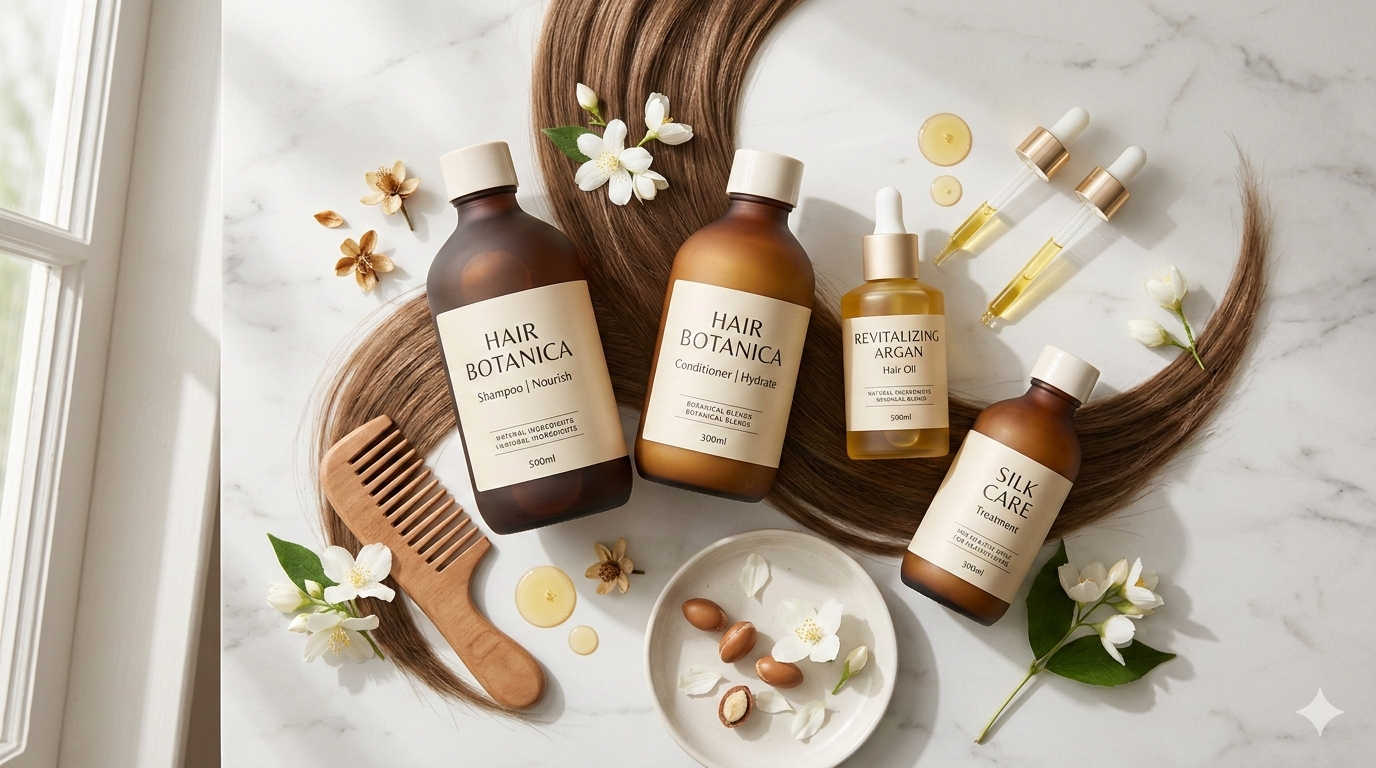
If your hair snaps when you brush it, looks dull no matter what you try, or has ends that seem to fray by the week — you’re dealing with damage that goes deeper than a bad hair day. The good news? The right shampoo can genuinely turn things around. Not overnight, but with real, visible results over time.
This guide walks you through what actually works, which products are worth your money, and how to wash your hair in a way that supports repair rather than undoing it.
Why Damaged Hair Needs a Different Kind of Shampoo
Most shampoos are built to cleanse. That’s it. For healthy hair, that’s usually enough. But when your hair is damaged — whether from heat, chemical treatments, over-processing, or environmental wear — ordinary cleansing formulas often strip away what little moisture and protein your strands have left.
Damaged hair has a compromised outer layer called the cuticle. Think of it like roof tiles: when they lie flat and overlap neatly, they protect everything beneath them. When those tiles crack, lift, or go missing entirely, the inner structure of the hair is exposed. That’s when you start seeing breakage, split ends, frizz, and a texture that feels rough to the touch.
A repair shampoo works differently. Instead of just removing dirt and oil, it deposits strengthening ingredients — proteins, moisturizers, bond-builders — that partially restore what damage has taken away. It also cleanses without aggressively stripping the scalp’s natural oils, which serve as your hair’s first line of defense.
What Causes Hair Damage in the First Place
Understanding the source of your damage helps you pick the right product. Heat styling — flat irons, curling wands, blow dryers — dehydrates the hair shaft and weakens the internal bonds that give hair its elasticity. Chemical treatments like bleach, relaxers, and permanent color open the cuticle intentionally to alter the strand, and if done frequently, that openness eventually becomes permanent damage.
Washing hair too often removes the scalp’s natural sebum faster than it can be replaced. Rough towel drying, sleeping on cotton pillowcases, tight ponytails, and brushing wet hair all create mechanical stress that leads to breakage over time. Even hard water — which contains calcium and magnesium — leaves mineral deposits that coat the hair and make it brittle.
The reason this matters for shampoo selection is that protein-depleted hair and moisture-damaged hair actually need different things. Knowing your damage type saves you from buying a product that makes things worse.
Ingredients That Actually Help Damaged Hair
Before scanning shelves, learn to read labels. A few ingredients genuinely repair; others just create a temporary illusion of smoothness.
Hydrolyzed keratin and hydrolyzed wheat protein are among the most effective for structurally weak hair. These are proteins broken down into small enough molecules to partially penetrate the hair shaft, filling in weak spots and adding tensile strength. If your hair breaks easily or feels limp and hollow, these are what you want.
Panthenol, listed as Pro-Vitamin B5 on many labels, draws water into the hair shaft and holds it there. It’s gentle enough for daily use and works on all hair types. Ceramides work similarly — they’re lipid molecules found naturally in healthy hair that get depleted by chemical and heat damage. Restoring them helps the cuticle lie flat again.
Argan oil and coconut oil show up in many repair shampoos for good reason. Coconut oil has a molecular structure small enough to enter the hair strand itself, reducing protein loss during washing. Argan oil works mainly on the surface but adds softness, shine, and a layer of mild heat protection.
For bond-level repair — the kind of damage caused by bleach and permanent color — look for Bis-Aminopropyl Diglycol Dimaleate (the active compound in Olaplex) or peptide complexes like those in K18. These go deeper than surface conditioning and belong in a different category entirely.
Ingredients Worth Avoiding
Sodium Lauryl Sulfate (SLS) and Sodium Laureth Sulfate (SLES) are the cleansing agents in most conventional shampoos. They create a rich lather but strip aggressively. For damaged hair that’s already low on moisture, they often do more harm than the cleansing is worth.
Denatured alcohol and SD alcohol dry the hair shaft on contact. This is different from fatty alcohols like cetearyl or cetyl alcohol, which are actually conditioning agents — the short-chain alcohols are the ones to steer clear of.
Synthetic fragrance is worth flagging if you have a sensitive scalp, as it’s a common source of contact irritation. Formaldehyde-releasing preservatives, such as DMDM Hydantoin, are also worth avoiding for long-term scalp health.
The 8 Best Shampoos for Damaged Hair and Split Ends
Olaplex No. 4 Bond Maintenance Shampoo — Best Overall
What sets Olaplex apart from most repair shampoos is that it doesn’t just condition the outside of the hair — it reconnects broken disulfide bonds inside the cortex. That’s the kind of damage bleach and chemical relaxers cause, and it’s the kind most shampoos can’t touch. If your hair has been through repeated coloring, lightening, or chemical straightening, No. 4 is as close to actual structural repair as a shampoo gets. It’s sulfate-free, lathers well for a bond-building formula, and works best when paired with the No. 5 conditioner. The price is higher than drugstore alternatives, but the results justify it for chemically processed hair.
SheaMoisture Manuka Honey and Mafura Oil Shampoo — Best for Dry or Natural Hair
For anyone with type 3 or 4 curl patterns, or hair that’s dense, coarse, and chronically dry, this formula hits differently. Manuka honey is a natural humectant that pulls water from the air into the hair strand. Mafura oil, pressed from the seeds of an African tree, is rich in the fatty acids that damaged cuticles need to close and stay closed. The result is a shampoo that cleanses without leaving hair feeling stripped. It can feel heavy on fine hair, so this one is specifically for those with thicker, drier strands.
Redken Extreme Shampoo — Best for Severely Damaged Hair
Redken’s Extreme line was formulated specifically for hair that professionals describe as over-stressed — hair that’s been through repeated chemical processing, excessive heat, or both over an extended period. The RCT Protein Complex it uses targets all three zones of the hair fiber at once: the root, the core, and the tip. It does contain mild sulfates, which is worth knowing if you’re strictly sulfate-free, but for hair that needs serious protein reinforcement, it delivers. Pairing it with the Extreme mask gives the best results.
Briogeo Don’t Despair, Repair! Shampoo — Best Clean Formula
Briogeo built this formula around a six-free standard — no sulfates, silicones, parabens, phthalates, DEA, or artificial dyes. The formula doesn’t sacrifice efficacy to achieve that. B-vitamins, rosehip oil, and algae extract work together to strengthen and soften without buildup. It works across hair types, making it a reliable pick if you’re not sure which damage category you fall into. It’s pricier than conventional options, but the ingredient profile and broad compatibility make it worth the investment.
Pantene Pro-V Repair and Protect Shampoo — Best Budget Option
Not every effective shampoo needs to cost $40. Pantene’s Pro-V formula has decades of research behind it, and while it does contain sulfates, the Pro-V nutrient blend replenishes what the cleansing agents remove. For mildly to moderately damaged hair that doesn’t need bond-level repair, it’s a solid everyday option. Widely available, affordable in large sizes, and noticeably improves shine and smoothness with consistent use.
Living Proof Restore Shampoo — Best for Fine Damaged Hair
Fine hair that’s also damaged is genuinely tricky to treat. Heavy proteins and rich oils — the ingredients that work well for coarse hair — weigh fine strands down and make them look flat. Living Proof’s Restore formula uses their OFPMA technology alongside glycerin and a strengthening complex that repairs without adding heaviness. Hair feels clean, looks fuller, and becomes noticeably less prone to snapping over time. If every other repair shampoo has left your hair limp, this one is worth trying.
Moroccanoil Moisture Repair Shampoo — Best for Heat Damage
Heat damage tends to show up as dryness, increased porosity, frizz, and rough texture — different from the elasticity loss caused by bleach. Argan oil, the cornerstone of the Moroccanoil brand, is genuinely well-suited to this type of damage. It’s rich in oleic acid and Vitamin E, both of which penetrate the hair shaft to restore softness. The hydrolyzed keratin in this formula adds strength on top of that moisture. If you use heat tools daily, this is a natural fit.
K18 Peptide Prep Damage Shield Shampoo — Best for Deep Repair
K18 approaches hair repair from a biochemistry angle, and their shampoo reflects that. The KR8TIN Peptide Complex works on the polypeptide chains of the hair — essentially rebuilding the structural protein framework at a level most shampoos can’t reach. The formula is also pH-optimized, which matters because hair absorbs treatments most effectively in a slightly acidic environment. It’s the most expensive option on this list, but for hair that’s been seriously compromised and hasn’t responded to other repair products, it’s worth trying.
Quick Comparison Table
| Shampoo | Best For | Sulfate-Free | Price Range |
|---|---|---|---|
| Olaplex No. 4 | Chemical and bond damage | Yes | $$$ |
| SheaMoisture Manuka Honey | Dry, coarse, natural hair | Yes | $ |
| Redken Extreme | Severe, over-processed hair | No | $$ |
| Briogeo Don’t Despair | Clean formula, all hair types | Yes | $$$ |
| Pantene Repair and Protect | Mild damage, budget pick | No | $ |
| Living Proof Restore | Fine, flat damaged hair | Yes | $$$ |
| Moroccanoil Moisture Repair | Heat damage, frizz | Yes | $$$ |
| K18 Damage Shield | Deep structural repair | Yes | $$$$ |
$ = under $15 / $$ = $15–$30 / $$$ = $30–$50 / $$$$ = $50+
How to Wash Damaged Hair the Right Way
The shampoo you choose matters — but so does how you use it. A few adjustments to your wash routine can make a meaningful difference in how quickly your hair recovers.
Detangle before you step into the shower. Wet hair is far more prone to snapping than dry hair, so working through knots beforehand prevents a lot of unnecessary breakage. A wide-tooth comb or a flexible-bristle brush does the job well.
Wash with lukewarm water, not hot. Hot water forces the cuticle open, which sounds harmless but leaves the hair shaft vulnerable and strips oils faster. Lukewarm water cleanses just as effectively while keeping the cuticle in a better position.
Apply shampoo to the scalp and let it travel down naturally. The scalp is where product buildup and sebum accumulate — that’s what you’re trying to clean. Scrub gently at the roots with your fingertips, then let the lather rinse through the lengths without scrubbing them. The ends don’t need aggressive cleansing, and rubbing them creates friction that makes split ends worse.
Finish with a cool water rinse. Cold water encourages the cuticle to close and lie flat, which smooths the hair surface and increases shine. It’s a small step with a noticeable payoff.
Pat hair dry with a microfiber towel instead of rubbing. Regular terrycloth is coarse enough to roughen the cuticle and create breakage. Microfiber absorbs water without the abrasion.
How Often Should You Wash Damaged Hair
Washing too often removes natural scalp oils faster than they can replenish, which leaves hair drier and more brittle over time. For fine or oily hair, three to four times a week is generally manageable. For normal hair, two to three times usually works. For dry, coarse, or curly hair, once or twice a week is often plenty.
For severely damaged or chemically treated hair, stretch washes as long as your scalp comfortably allows. On days between washes, a dry shampoo applied only at the roots keeps oil under control without putting your hair through another cleansing cycle.
If you exercise daily and feel the need to rinse frequently, try co-washing — rinsing with conditioner only on non-shampoo days. It removes sweat and refreshes the hair without the stripping effect of detergent.
Supporting Your Hair Beyond the Shampoo
A good shampoo works better when the rest of your routine supports it. Use a heat protectant every time before applying any heat tool, and keep the temperature below 180°C (356°F). Higher temperatures cause protein denaturation that no shampoo can fully reverse.
Deep condition once a week. Alternating between a protein treatment and a moisture mask — one each week — works well for most damaged hair. Pay attention to how your hair feels: if it’s stiff and lacks elasticity, it needs moisture. If it stretches and doesn’t bounce back, it needs protein.
Get a trim every eight to ten weeks. Split ends don’t repair themselves — they travel up the shaft and create more breakage the longer they’re left. Regular trims keep damage contained and actually speed up the repair process.
Swap your cotton pillowcase for silk or satin. The friction of cotton against hair overnight causes more breakage than most people realize. Silk creates far less resistance, and hair wakes up smoother, less tangled, and with less cuticle damage.
Frequently Asked Questions
Can shampoo permanently fix split ends?
No shampoo can permanently fuse a split end. Once a split forms, the only true fix is cutting it. What a good repair shampoo can do is temporarily smooth the appearance of existing splits, strengthen the surrounding hair so fewer new ones form, and slow the rate at which existing splits travel further up the shaft. The scissors still have to do the permanent work.
Is sulfate-free shampoo always the better choice for damaged hair?
For most people with damaged hair, yes. Sulfate-free formulas are gentle enough to remove daily buildup without stripping moisture. That said, if you use heavy silicone-based styling products regularly, sulfate-free shampoos may not fully clear them over time, which leads to buildup. A monthly clarifying wash solves that without making sulfates a daily habit.
How long does it take to see results from a repair shampoo?
Texture improvement and reduced frizz often appear within two to three weeks of consistent use. More meaningful recovery — less breakage, improved elasticity — typically takes six to eight weeks. Bond-building products like Olaplex and K18 tend to show faster results for chemically damaged hair than standard moisturizing formulas, but even those require patience.
Do you need to use the shampoo and conditioner from the same brand?
Not necessarily, though matched sets are usually formulated to work together. Mixing brands is fine as long as you’re not doubling up on heavy proteins or layering multiple rich oils that cause buildup. Keep the shampoo and conditioner in the same repair family — moisture-focused or protein-focused — even if they’re from different brands.
What is the best shampoo specifically for split ends?
Shampoos with hydrolyzed keratin and ceramides do the most to temporarily seal split ends and strengthen hair along the mid-shaft where splitting often originates. Olaplex No. 4, Redken Extreme, and Moroccanoil Moisture Repair all perform well for this concern. Pairing any of them with a weekly bond-building or keratin mask speeds up visible improvement.
Can damaged hair ever fully recover?
Hair that has already grown out cannot be restored to its original undamaged condition — the cells that make up each strand are no longer living once they leave the scalp, and there’s no biological healing happening in the shaft. What you can achieve is a significant improvement in the appearance, texture, and strength of existing hair through consistent care, while new growth comes in healthier. For severe damage, accepting a cut and starting fresh is sometimes the most practical path forward.
Final Thoughts
Choosing the right shampoo for damaged hair isn’t about finding a miracle product. It’s about matching what the product offers to what your hair actually needs, then building a routine consistent enough to let results show up.
For chemical damage, Olaplex No. 4 and K18 Damage Shield sit at the top of the category. For dry and natural hair, SheaMoisture’s Manuka Honey formula reliably delivers. Fine hair that’s also damaged responds best to Living Proof Restore. For a no-fuss, budget-friendly option, Pantene Repair and Protect remains genuinely solid.
Use the right shampoo, follow it with a good conditioner, reduce what’s causing the damage in the first place, and give your hair the time it needs. Results come — they just don’t arrive overnight.
Individual results vary based on hair type, damage level, and care routine. For persistent scalp conditions or significant hair loss, consult a dermatologist or licensed trichologist.