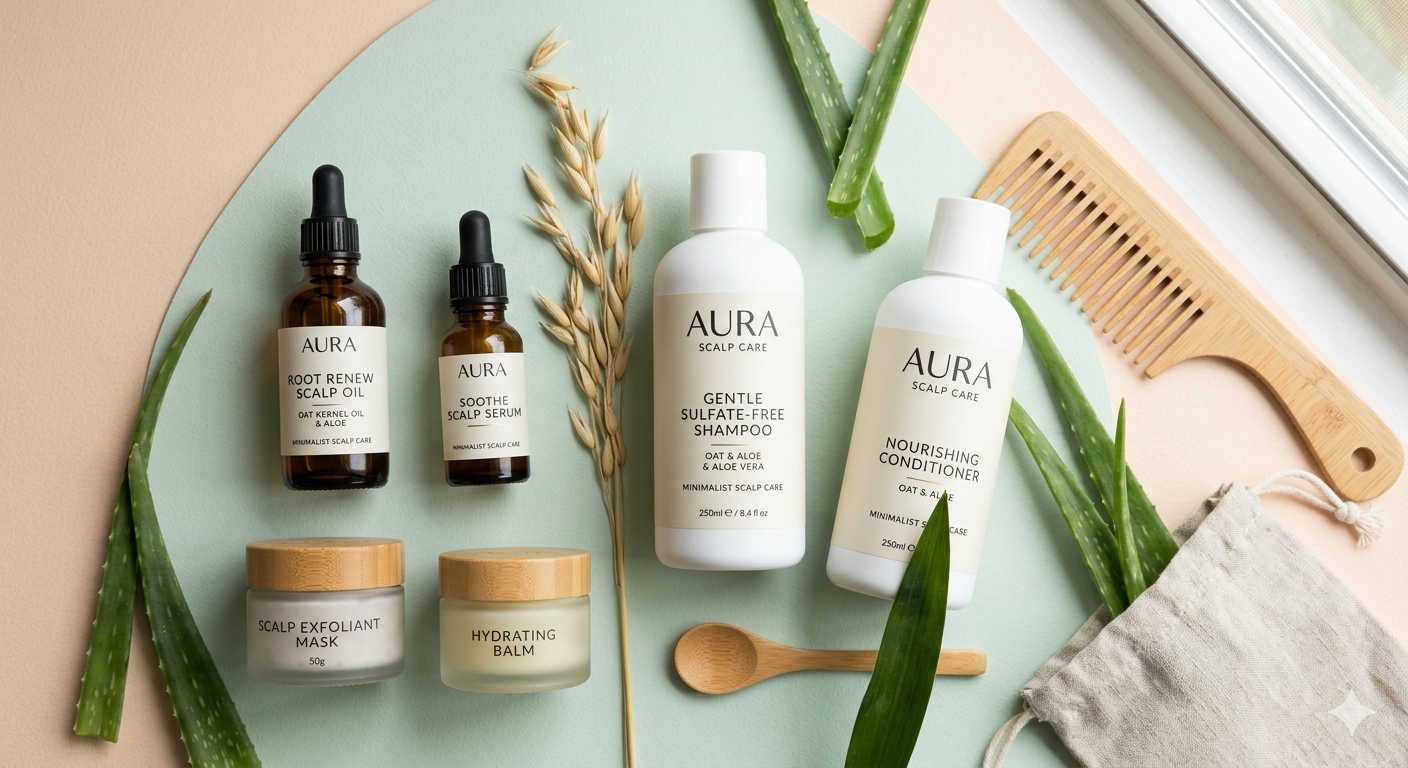
A healthy scalp is the foundation of healthy hair, yet many people struggle with irritation, itching, redness, and dryness caused by sensitive scalp conditions. In recent years, dermatologists and haircare experts have shifted the focus from simply treating hair problems to caring for the scalp itself. By 2026, the concept of scalp-first haircare has become a major trend, with brands developing gentle formulas specifically designed to calm irritation while supporting stronger, healthier hair growth.
If you frequently experience discomfort after washing your hair, feel tightness on your scalp, or notice flakes that are not related to typical dandruff, you may have a sensitive scalp. The good news is that with the right products and a proper care routine, you can significantly reduce irritation and restore balance.
This guide explains everything you need to know about caring for a sensitive scalp in 2026. You’ll learn the causes of scalp sensitivity, ingredients to avoid, soothing ingredients to look for, recommended products, and a simple routine that helps maintain long-term scalp health.
What Is a Sensitive Scalp?
A sensitive scalp refers to a condition where the skin on the scalp reacts easily to products, environmental factors, or physical irritation. Unlike regular dryness or occasional itching, sensitive scalp symptoms tend to appear frequently and may worsen after using certain shampoos, styling products, or treatments.
Common signs of scalp sensitivity include:
- Persistent itching or tingling
- Burning sensations after washing hair
- Redness or inflammation
- Flaking or dry patches
- Tenderness when touching the scalp
- Tight or uncomfortable feeling after shampooing
These symptoms often occur when the natural protective barrier of the scalp becomes weakened, making it easier for irritants to penetrate the skin.
Why Scalp Health Matters for Hair Growth
Many people focus solely on hair strands when choosing products, but healthy hair begins at the scalp. The scalp contains hair follicles, oil glands, and blood vessels that nourish the hair root.
When the scalp becomes irritated or inflamed:
- Hair follicles may weaken
- Hair growth cycles can slow down
- Hair may become thinner or more fragile
Maintaining scalp balance helps create the ideal environment for stronger, healthier hair growth.
Common Causes of Sensitive Scalp
Understanding what triggers scalp sensitivity can help you prevent irritation and choose better haircare products.
Harsh Shampoo Ingredients
One of the most common causes of scalp irritation is the use of aggressive cleansing ingredients. Many traditional shampoos contain strong detergents that strip away natural oils. When this protective oil layer disappears, the scalp becomes dry and vulnerable.
Frequent Hair Washing
Washing your hair every day can disrupt the natural oil balance of the scalp. While cleanliness is important, overwashing may remove essential moisture that protects the skin.
Product Build-Up
Hair sprays, dry shampoos, gels, and styling creams can accumulate on the scalp over time. This buildup may clog follicles and irritate sensitive skin.
Environmental Stress
Pollution, dust, humidity, and sun exposure can all weaken the scalp barrier. Seasonal changes also play a role, particularly during colder months when dry air increases scalp dryness.
Skin Conditions
Some scalp sensitivity is linked to underlying skin issues such as eczema, seborrheic dermatitis, or psoriasis. In these cases, specialized treatments may be required.
Ingredients to Avoid if You Have a Sensitive Scalp
Choosing the right haircare products starts with understanding which ingredients are more likely to trigger irritation.
Sulfates
Sulfates are powerful cleansing agents commonly used in shampoos to create foam. While they remove oil effectively, they can also strip the scalp’s protective moisture barrier, leading to dryness and irritation.
Artificial Fragrance
Fragrance is one of the most common causes of cosmetic irritation. Many sensitive individuals react to synthetic fragrance ingredients found in shampoos and conditioners.
Drying Alcohols
Certain types of alcohol can evaporate quickly and leave the scalp feeling tight and dehydrated.
Heavy Silicones
Silicones are used to create smooth, shiny hair, but they may accumulate on the scalp and prevent proper moisture balance.
Strong Preservatives
Some preservatives used in cosmetic formulations can cause allergic reactions in sensitive individuals.
Avoiding these ingredients can significantly reduce scalp irritation.
Soothing Ingredients That Help Sensitive Scalps
Fortunately, many modern haircare products contain ingredients specifically designed to calm and protect sensitive skin.
Colloidal Oatmeal
Oat extract is widely recognized for its calming and anti-inflammatory properties. It helps reduce itching and provides a protective barrier on the skin.
Aloe Vera
Aloe is known for its cooling and hydrating benefits. It helps soothe redness and irritation while restoring moisture.
Niacinamide
Niacinamide supports the scalp barrier and reduces inflammation. It is commonly used in skincare and is now becoming popular in scalp care products.
Panthenol (Vitamin B5)
Panthenol helps strengthen hair while improving scalp hydration.
Tea Tree Oil
When used in gentle concentrations, tea tree oil can help reduce bacteria and soothe itching.
Best Sensitive Scalp Care Products in 2026
The following products are widely recommended for individuals dealing with scalp sensitivity. They are known for their gentle formulas and scalp-friendly ingredients.
Vanicream Free & Clear Shampoo
This shampoo is often recommended by dermatologists for individuals with extremely sensitive skin. It is formulated without fragrance, dyes, sulfates, or common irritants.
The formula focuses on gentle cleansing while maintaining the scalp’s natural moisture balance. It is particularly suitable for people with eczema or allergy-prone skin.
Why it stands out:
- Minimal ingredient formula
- Free from common irritants
- Ideal for very sensitive scalps
La Roche-Posay Kerium Extra Gentle Shampoo
This product is designed for daily use and focuses on maintaining scalp comfort. The formula cleans hair without disrupting the scalp barrier.
Key benefits include:
- Lightweight cleansing agents
- Suitable for frequent washing
- Helps maintain scalp balance
It is a great option for people who experience irritation from traditional shampoos.
Aveeno Scalp Soothing Oat Milk Blend Shampoo
Aveeno uses oat-based ingredients known for calming irritated skin. This shampoo combines oat extract with nourishing ingredients that help restore moisture.
Benefits include:
- Reduces scalp dryness and itching
- Sulfate-free formula
- Helps maintain a healthy scalp environment
It is particularly helpful for people dealing with mild dryness and sensitivity.
Neutrogena T/Gel Therapeutic Shampoo
This therapeutic shampoo is often used to relieve itching and flaking associated with scalp conditions.
It contains active ingredients that help control scalp irritation while cleansing the hair effectively.
Why many people choose it:
- Helps reduce persistent itching
- Supports scalp health
- Often recommended for dandruff-related irritation
Additional Products That Support Scalp Health
Shampoo alone may not be enough to manage scalp sensitivity. Complementary products can enhance results.
Scalp Serums
Scalp serums deliver concentrated soothing ingredients directly to the skin. Many formulas contain niacinamide, aloe vera, or plant extracts that calm irritation.
Lightweight Conditioners
Conditioners help maintain hydration and protect hair strands without weighing down the scalp.
Exfoliating Scalp Treatments
Occasional gentle exfoliation removes buildup from styling products and dead skin cells. This can improve scalp balance when done carefully.
Simple Sensitive Scalp Care Routine
Consistency is key when managing scalp sensitivity. A simple routine can prevent irritation and maintain scalp balance.
Step 1: Wash Hair Gently
Use a sulfate-free shampoo two to three times per week. Massage gently with your fingertips rather than scratching the scalp.
Step 2: Condition the Hair
Apply conditioner mainly to hair lengths, but allow a small amount near the scalp if the formula is lightweight and soothing.
Step 3: Use a Scalp Treatment
A calming scalp serum can help maintain hydration and reduce inflammation.
Step 4: Avoid Excessive Heat
Frequent use of hot styling tools may worsen scalp dryness. Lower heat settings whenever possible.
Step 5: Protect Your Scalp from Sun
If you spend long hours outdoors, wearing a hat can protect the scalp from UV exposure.
Lifestyle Tips for a Healthier Scalp
Product choices are important, but daily habits also influence scalp health.
Helpful habits include:
- Drinking enough water
- Maintaining a balanced diet rich in vitamins
- Avoiding overly tight hairstyles
- Keeping hair tools and brushes clean
- Reducing stress levels
Healthy lifestyle choices support skin health throughout the body, including the scalp.
Sensitive Scalp Trends in 2026
Haircare innovation continues to evolve. Several major trends are shaping the future of scalp care.
Skin-Inspired Haircare
Many brands now apply skincare science to haircare products. Ingredients traditionally used in facial skincare—such as ceramides and niacinamide—are now common in scalp treatments.
Microbiome-Friendly Products
Researchers are focusing on maintaining the natural microbial balance of the scalp instead of eliminating bacteria completely.
Minimalist Formulas
Consumers are increasingly choosing products with fewer ingredients and fewer potential irritants.
Frequently Asked Questions About Sensitive Scalp Care
What is the best shampoo for a sensitive scalp?
The best shampoo for sensitive scalp is one that avoids harsh ingredients and focuses on gentle cleansing. Products like Vanicream Free & Clear Shampoo or Aveeno Scalp Soothing Oat Shampoo are commonly recommended because they contain fewer irritants.
How often should you wash a sensitive scalp?
Most people with sensitive scalps benefit from washing their hair two to three times per week. Washing too frequently may remove natural oils and worsen dryness.
Can a sensitive scalp cause hair loss?
Yes, prolonged scalp inflammation can weaken hair follicles and contribute to hair thinning. Managing irritation early helps protect hair growth.
Are natural shampoos better for sensitive scalp?
Not always. While many natural ingredients are gentle, some plant extracts or essential oils can still cause irritation. It’s important to choose products specifically formulated for sensitive skin.
How long does it take to improve scalp sensitivity?
With consistent use of gentle products, many people begin to notice improvements within a few weeks. However, severe cases may require medical treatment.
Final Thoughts
Sensitive scalp problems can be frustrating, but they are manageable with the right approach. Choosing gentle products, avoiding harsh ingredients, and following a consistent scalp care routine can dramatically improve comfort and hair health.
The rise of scalp-focused haircare in 2026 has made it easier than ever to find products designed specifically for sensitive skin. By prioritizing scalp health, you not only reduce irritation but also create the best possible environment for strong, healthy hair.
If you struggle with persistent scalp discomfort, experimenting with the recommended products and routines in this guide can be a great starting point toward restoring balance and achieving healthier hair.