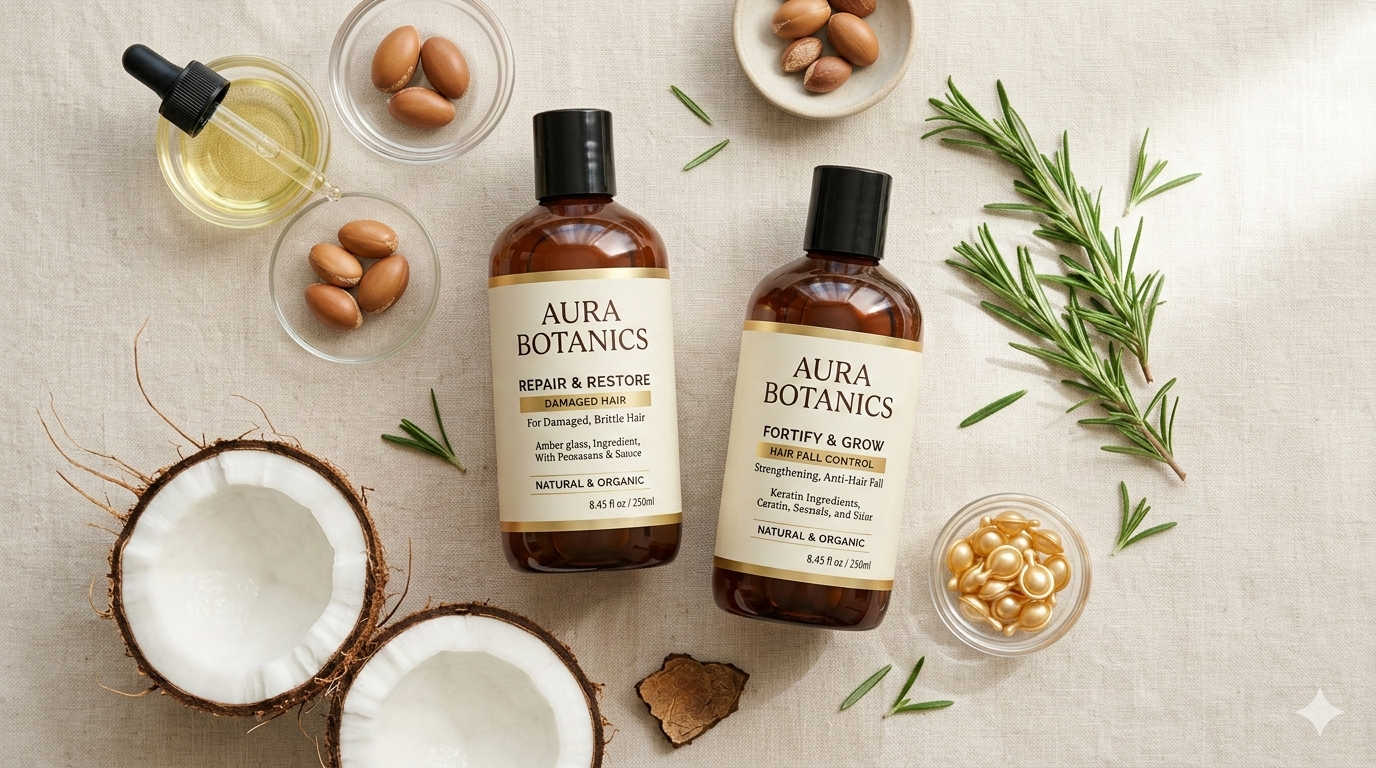
Damaged hair and excessive hair fall can feel frustrating, especially when you’re investing time and money into hair care but not seeing real results. If your strands feel dry, brittle, frizzy, or you notice more hair than usual on your brush or pillow, your shampoo could be part of the problem — or the solution.
Choosing the best shampoo for damaged hair and hair fall isn’t about picking the most expensive bottle. It’s about understanding your scalp, identifying your hair’s needs, and selecting ingredients that repair and strengthen from root to tip.
This guide will help you:
- Understand what causes hair damage and hair fall
- Learn which shampoo ingredients actually work
- Avoid harmful ingredients
- Discover dermatologist-recommended and bestselling shampoos
- Build a routine that supports stronger, healthier hair
- Get answers to frequently searched hair care questions
Let’s start with the basics.
Why Hair Gets Damaged and Starts Falling
Before buying any shampoo, it’s important to understand what’s happening to your hair.
Common Causes of Hair Damage
Hair damage occurs when the outer protective layer (cuticle) becomes weakened or lifted. This leads to:
- Dryness and rough texture
- Split ends
- Frizz and dullness
- Increased breakage
The most common triggers include:
- Frequent heat styling (straighteners, curling irons, blow dryers)
- Hair coloring and bleaching
- Chemical treatments like rebonding or perming
- Sun exposure and pollution
- Overwashing with harsh shampoos
- Tight hairstyles
What Causes Hair Fall?
Hair fall is different from breakage. While breakage happens along the strand, hair fall typically occurs from the root.
Common reasons include:
- Hormonal imbalance
- Stress
- Nutritional deficiencies (iron, protein, vitamin D)
- Scalp inflammation
- Dandruff
- Genetics
- Product buildup
A good anti-hair fall shampoo cannot completely stop hair loss caused by medical conditions, but it can strengthen roots, reduce breakage, and create a healthy scalp environment.
What Makes the Best Shampoo for Damaged Hair and Hair Fall?
When searching online, you’ll see thousands of options labeled as “repair,” “strengthening,” or “anti-hair fall.” The difference lies in formulation.
Here’s what to look for.
1. Gentle Cleansing Agents
Harsh sulfates can strip natural oils, making already damaged hair worse. Look for:
- Sulfate-free formulas
- Mild surfactants
- Low-foam cleansers
These clean without over-drying.
2. Strengthening Ingredients
The best shampoos for hair fall contain ingredients that reinforce the hair shaft:
- Keratin
- Biotin
- Amino acids
- Collagen
- Panthenol (Pro-Vitamin B5)
- Ceramides
These help reduce breakage and improve elasticity.
3. Nourishing Oils and Moisturizers
Damaged hair needs hydration:
- Argan oil
- Coconut oil
- Jojoba oil
- Shea butter
- Aloe vera
These restore softness and reduce frizz.
4. Scalp-Supporting Ingredients
Healthy roots grow healthy hair. Look for:
- Niacinamide
- Caffeine
- Tea tree oil
- Rosemary extract
- Salicylic acid (for oily scalp buildup)
Ingredients to Avoid for Damaged or Falling Hair
To prevent further damage, avoid:
- High concentrations of SLS/SLES
- Drying alcohols
- Excess artificial fragrance (if sensitive)
- Heavy silicones that cause buildup
- Parabens (if scalp sensitive)
Always read the label — marketing claims don’t tell the full story.
Best Shampoo for Damaged Hair and Hair Fall (Top Picks 2026)
Below are highly rated and widely recommended options known for strengthening weak hair and improving scalp health.
1. OGX Anti-Breakage + Keratin Oil Shampoo
Best for: Dry, chemically treated hair
This shampoo combines keratin proteins with argan oil to reinforce weak strands. It improves elasticity and reduces visible breakage. It’s sulfate-free and gentle enough for regular use.
Why it works:
- Smooths frizz
- Reduces snapping while brushing
- Adds shine without heaviness
2. L’Oréal Paris Fall Resist 3X Anti-Hair Fall Shampoo
Best for: Weak roots and daily hair fall
Formulated with arginine, this shampoo strengthens from the root and helps reduce breakage during washing.
Why it works:
- Targets root weakness
- Affordable and easily available
- Suitable for regular use
3. WOW Skin Science Onion Black Seed Oil Shampoo
Best for: Thinning hair and scalp nourishment
Onion extract is known for supporting hair strength and improving scalp health. Combined with black seed oil, this formula focuses on reducing breakage and improving density appearance.
Why it works:
- Supports stronger roots
- Free from harsh sulfates
- Suitable for damaged, dry hair
4. Dove Hair Therapy Breakage Repair Shampoo
Best for: Everyday repair
This shampoo is designed for brittle, easily broken strands. It helps reinforce internal hair bonds while keeping hair soft.
Why it works:
- Budget-friendly
- Improves manageability
- Reduces hair fall due to breakage
5. Mamaearth Onion Shampoo for Hair Fall Control
Best for: Natural ingredient lovers
Formulated with onion oil and plant keratin, this shampoo targets weak roots while keeping hair smooth.
Why it works:
- Paraben and sulfate-free
- Strengthens from root to tip
- Suitable for both men and women
6. Biotique Bio Kelp Protein Shampoo
Best for: Fine hair needing volume
This protein-rich formula strengthens thin strands and supports scalp health.
Why it works:
- Lightweight
- Herbal formulation
- Adds body without heaviness
How to Use Shampoo Correctly to Reduce Hair Fall
Even the best shampoo won’t help if used incorrectly.
Step 1: Wet Hair Thoroughly
Use lukewarm water. Hot water weakens roots and dries strands.
Step 2: Apply to Scalp First
Focus on cleansing the scalp, not the ends.
Step 3: Massage Gently
Use fingertips for 1–2 minutes to improve circulation.
Step 4: Rinse Completely
Product buildup can worsen hair fall.
Step 5: Follow with Conditioner
Condition mid-lengths and ends only.
How Often Should You Wash Damaged Hair?
- Dry or damaged hair: 2–3 times per week
- Oily scalp: Every other day with mild shampoo
- Dandruff-prone scalp: As recommended with medicated shampoo
Overwashing can increase dryness and breakage.
Lifestyle Tips to Reduce Hair Fall Naturally
Shampoo alone is not enough. For stronger hair:
- Eat protein-rich foods (eggs, lentils, fish)
- Stay hydrated
- Avoid tight hairstyles
- Minimize heat styling
- Manage stress
- Get regular trims
- Sleep adequately
Hair health reflects overall health.
Frequently Asked Questions
Which shampoo is best for damaged hair and hair fall?
Shampoos with keratin, biotin, arginine, and nourishing oils are ideal. Popular options include OGX Keratin Oil Shampoo, L’Oréal Fall Resist 3X, and WOW Onion Shampoo.
Can shampoo stop hair fall completely?
No shampoo can completely stop hair fall caused by hormonal or medical conditions. However, strengthening shampoos can reduce breakage and improve scalp health.
Is sulfate-free shampoo better for damaged hair?
Yes. Sulfate-free shampoos are gentler and less drying, making them better for brittle or chemically treated hair.
How long does it take to see results?
Most people notice improvement within 4–6 weeks of consistent use.
Why does hair fall more during shampooing?
You may notice shed hairs while washing because loose strands naturally detach. Excessive fall may indicate weak roots or scalp issues.
Should I oil my hair before shampooing?
Pre-shampoo oiling can reduce moisture loss and protect damaged strands from breakage during washing.
Final Thoughts: Choosing the Right Shampoo for Your Hair Type
Finding the best shampoo for damaged hair and hair fall is not about trends — it’s about suitability.
If your hair is:
- Dry and brittle → Choose moisturizing keratin-based formulas
- Oily with fall → Look for lightweight strengthening shampoos
- Chemically treated → Use sulfate-free repair formulas
- Thinning → Choose protein-rich, root-supporting shampoos
Consistency matters more than switching products frequently.
Healthy hair requires patience. With the right shampoo, proper routine, and balanced lifestyle, you can gradually restore strength, reduce breakage, and improve overall hair texture.