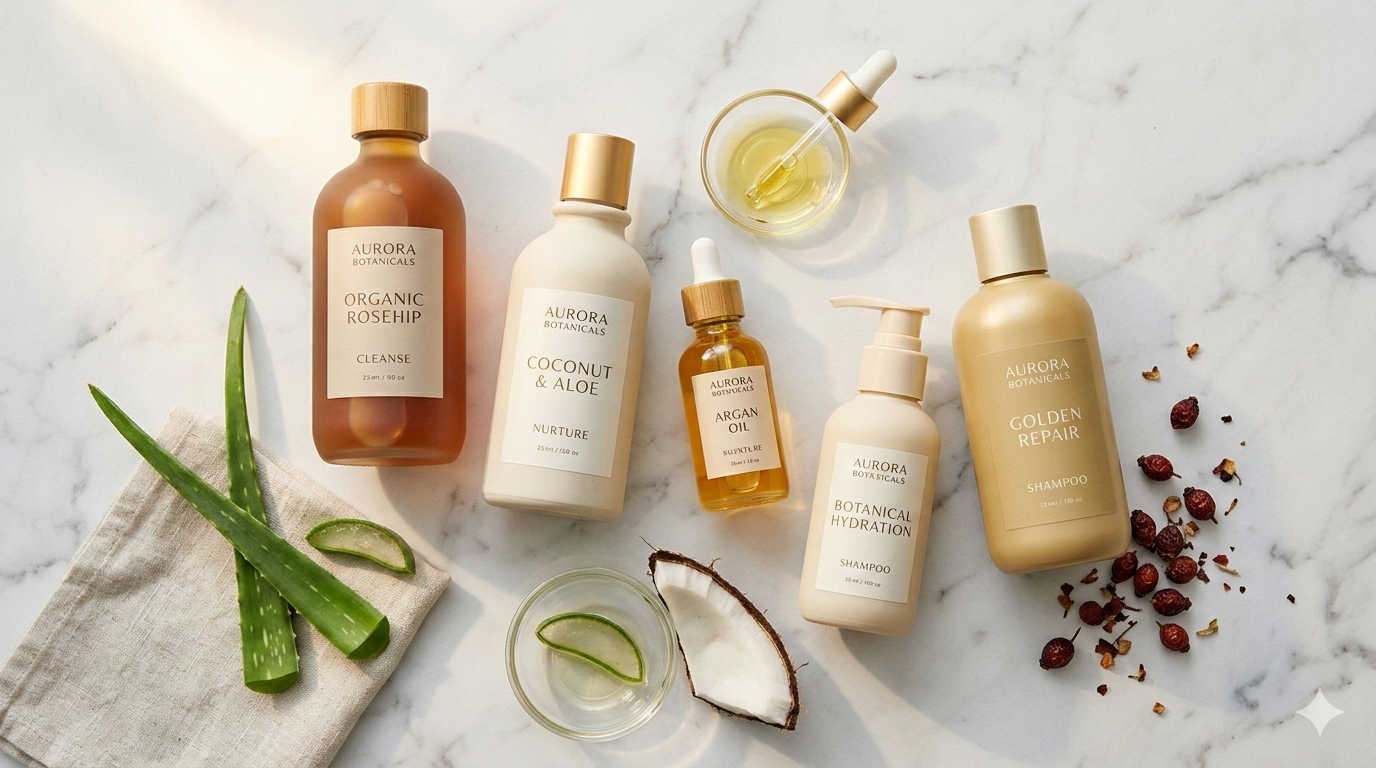
There is a particular kind of frustration that comes with damaged hair. You wash it, condition it, let it air dry, and it still looks lifeless — brittle at the ends, frizzy in the middle, and flat at the roots. If that sounds familiar, the problem often starts in the shower. The shampoo you use sets the tone for everything that follows, and choosing the wrong one can quietly make things worse with every single wash.
The good news is that the haircare market in 2026 has genuinely evolved. Formulas have gotten smarter, ingredient science has advanced, and there are now options at every price point that do far more than just clean. This guide walks you through everything you need to know — why your hair is the way it is, what ingredients actually help, which products are worth your money, and how to build a simple routine that gets results.
Why Hair Gets Dry and Damaged in the First Place
Most people assume damaged hair is caused by one big thing — a bad bleach job, a summer of swimming in chlorine, or years of heat styling. And yes, those things do cause damage. But in reality, hair damage almost always builds up gradually through a combination of habits and environmental factors that chip away at the hair’s outer protective layer, called the cuticle.
When the cuticle is healthy, it lies flat, keeps moisture inside the shaft, and reflects light — that is what shine actually is. When it becomes cracked, lifted, or eroded, moisture escapes easily, the hair loses elasticity, and it starts to feel dry, rough, and fragile no matter how much conditioner you apply.
Heat styling is one of the biggest contributors. Blow dryers, flat irons, and curling wands create intense, localized heat that forces the cuticle open. Used daily without heat protection, these tools progressively weaken the hair’s internal protein structure. Chemical treatments go even further — bleach actually penetrates deep into the cortex to break apart the pigment molecules, and in doing so, it permanently alters the hair’s structure. The more frequently you lighten, color, perm, or relax, the more compromised your hair becomes over time.
Environmental damage is less dramatic but still very real. UV radiation breaks down the amino acid bonds that keep hair strong. Hard water leaves behind mineral deposits — calcium and magnesium — that coat the shaft, reduce moisture absorption, and make hair feel stiff. Pollution particles settle on the scalp and hair, triggering oxidative stress that accelerates aging of the hair fiber.
And then there is what happens in the shower itself. Washing too frequently, using water that is too hot, or relying on a shampoo loaded with harsh detergents strips the scalp of its natural sebum. That sebum is not a problem to be eliminated — it is a protective oil that travels down the hair shaft and keeps it naturally lubricated. Remove it too aggressively and consistently, and you end up with a dry scalp and dry hair simultaneously.
Understanding all of this helps you realize that the solution is not just finding a “repairing” shampoo and hoping for the best. It is about removing the things that are causing ongoing damage while actively replenishing what has been lost. A great shampoo addresses both.
What Ingredients Actually Work
The gap between a shampoo that delivers visible results and one that just makes big promises on the label usually comes down to formulation. Here are the ingredients worth knowing about before you spend a cent.
Hydrolyzed proteins are arguably the most important ingredient category for structurally damaged hair. Proteins like hydrolyzed keratin, hydrolyzed silk, and hydrolyzed wheat protein have been broken down into tiny molecules small enough to slip into the gaps along the hair shaft. Once inside, they temporarily rebuild the internal structure, improve tensile strength, and reduce breakage. They are especially valuable for bleached, color-treated, or heat-stressed hair.
Quinoa protein deserves a special mention because it has become one of the more talked-about ingredients in haircare circles heading into 2026. It delivers a full profile of amino acids that closely mirror the building blocks of hair itself, which makes it unusually effective at restoring elasticity and resilience.
Humectants draw water into the hair and hold it there. Glycerin has been in haircare formulas for decades and works reliably well. Hyaluronic acid is newer to shampoos but exceptionally effective — it binds moisture to the hair shaft throughout the day, which is why you often notice your hair feeling softer hours after washing rather than just immediately after rinsing.
Argan oil penetrates the hair shaft more effectively than many other oils, thanks to its high oleic acid content. It replenishes lipids that heat and chemical damage strip away, adds natural shine, and helps protect against future environmental stressors. Coconut oil does something similar — it is one of the only plant-based oils capable of genuinely penetrating the cortex rather than just sitting on the surface.
Aloe vera works on multiple levels. It soothes the scalp, helps balance pH, smooths the cuticle, and delivers amino acids that have a strengthening effect on the fiber. It also reduces frizz by helping the cuticle lie flat after washing.
Ceramides are lipid molecules that form part of the hair fiber’s natural protective layer. Chemical treatments deplete ceramides significantly, which is one reason bleached hair tends to feel porous and rough. Shampoos with ceramides help reinforce that barrier and reduce the rate at which moisture escapes.
Niacinamide (vitamin B3) is primarily a scalp ingredient. It strengthens the scalp’s skin barrier, improves circulation to the follicles, and helps regulate oil production. Healthier scalp conditions mean stronger hair growth from the root.
When you pick up a shampoo bottle and scan the label, look for several of these working together rather than relying on a single star ingredient. The best formulas layer multiple repair and moisture mechanisms to address different types of damage simultaneously.
What to Avoid
Knowing what not to buy is just as useful as knowing what to look for.
Sodium lauryl sulfate (SLS) is the most aggressive cleansing agent you will commonly encounter in shampoos. It removes oil and debris effectively, but it does not distinguish between the dirt you want gone and the protective lipids your hair genuinely needs. For dry and damaged hair, SLS is too harsh for regular use. Sodium laureth sulfate (SLES) is milder but still worth avoiding if your hair is particularly fragile.
Silicones are widely misunderstood. They do make hair feel smooth and look shiny in the short term by coating the surface. But that coating also blocks moisture and proteins from reaching the shaft, and with repeated use, buildup accumulates that makes hair feel heavier and duller over time. If you use silicone-based products, you need to clarify regularly — which is its own problem for dry hair.
Alcohol-based drying agents — isopropyl alcohol in particular — evaporate quickly and take moisture with them. They show up in some styling products too, so it is worth checking labels more broadly.
Synthetic fragrance is labeled simply as “fragrance” or “parfum” and can contain dozens of undisclosed chemical compounds. For people with a sensitive or inflamed scalp, synthetic fragrance is a common trigger for irritation that worsens dryness and flaking.
The Best Shampoos for Dry Damaged Hair in 2026
Olaplex No. 4 Bond Maintenance Shampoo
Olaplex built its reputation on a patented bond-building technology that works at a molecular level — specifically targeting the broken disulfide bonds that are responsible for much of the structural damage caused by bleach and chemical processing. The No. 4 shampoo carries that same active chemistry into a gentle, sulfate-free cleanser that works equally well as a daily or weekly wash.
What sets it apart from most repair shampoos is that it is not just coating the outside of the hair — the active ingredient is doing actual structural work inside the shaft. Users with heavily processed or lightened hair consistently describe the cumulative effect as transformational, with noticeable improvements in elasticity and breakage reduction after several weeks of use. It suits all hair types but delivers the most dramatic results on chemically compromised hair.
Redken Extreme Shampoo
Redken’s Extreme line has been a go-to in professional salons for years, and the shampoo earns that trust. Its RCT Protein Complex targets three distinct zones of the hair fiber — roots, core, and tip — delivering different concentrations of protein where each area needs it most. This makes it particularly effective for hair that breaks along the mid-shaft or snaps at the ends.
It lathers generously without the harshness of a sulfate-heavy formula, and it works seamlessly as part of the full Extreme system if you want to build a complete treatment routine around it. For hair that feels constantly weak or keeps breaking despite regular conditioning, this is one of the more targeted solutions on the market.
Moroccanoil Moisture Repair Shampoo
Moroccanoil’s identity is built on argan oil, and this shampoo delivers that promise convincingly. The argan oil content here is meaningful rather than cosmetic — it genuinely replenishes the lipids that heat damage depletes and restores a level of softness and shine that many users describe as feeling like their hair before it was damaged.
The formula is free of sulfates, phosphates, and parabens. It works particularly well on medium to coarse hair that has been color-treated or subjected to regular heat styling. The scent is distinctive and widely loved, and the amber-tinted formula is a small but satisfying sensory detail. Pairing it with the matching Moisture Repair conditioner enhances results noticeably.
Briogeo Don’t Despair, Repair! Super Moisture Shampoo
For anyone who prioritizes clean formulations alongside performance, Briogeo is one of the most reliable brands in the space. This shampoo is 97% naturally derived and free of sulfates, silicones, parabens, and phthalates — but it does not sacrifice results for that clean profile.
The active blend of rosehip oil, algae extract, and B vitamins works on multiple fronts: rosehip oil delivers essential fatty acids that reinforce the cuticle, algae adds hydration and smoothness, and B vitamins support the overall health of the hair fiber. It is particularly popular among those with curly and natural hair textures, and it is one of the few clean-beauty options that genuinely delivers on moisture and repair simultaneously.
SheaMoisture Manuka Honey and Yogurt Hydrate Plus Repair Shampoo
SheaMoisture has a deep understanding of what highly textured, coily, and curly hair actually needs, and this formula reflects that. Manuka honey works as both a humectant and a gentle antimicrobial agent, drawing moisture into the shaft while keeping the scalp environment healthy. Yogurt protein reinforces the hair structure, and mafura oil — derived from the African mafura tree — penetrates deeply to restore flexibility and softness.
The result is a shampoo that feels genuinely nourishing even during the wash, rather than stripping the hair and leaving repair to the conditioner alone. If your hair is highly porous, easily tangled, and constantly thirsty for moisture, this is one of the most appropriate formulas you will find.
Kérastase Resistance Bain Force Architecte Shampoo
For hair that is truly structurally compromised — multiple rounds of bleach, relaxing, or heavy chemical processing — this is a professional-level solution. The Ciment Thermique technology in the Resistance line, combined with ceramides and xylose, works to fill gaps in the cuticle and reinforce the internal architecture of the hair fiber.
The results require investment, both financially and in terms of time. This is not an overnight fix. But users who commit to the full Resistance system consistently describe significant improvements in hair strength, surface smoothness, and overall resilience after four to six weeks. It is best suited to hair that has moved beyond “dry and frizzy” into genuinely fragile and brittle territory.
Dove Intense Repair Shampoo
Not every solution needs to be expensive or complex. Dove Intense Repair is a genuinely good everyday shampoo for moderately damaged hair that needs gentle, consistent care rather than intensive intervention. The Keratin Repair Actives formula smooths the cuticle, reduces surface breakage, and improves manageability without any harsh ingredients.
It is mild enough for frequent washing, widely available, and affordable enough to use without rationing. For someone whose hair is dry and prone to frizz but not severely damaged, this does the job reliably. It also works well as a maintenance shampoo in between more intensive treatments.
Living Proof Restore Shampoo
Living Proof approaches product development from a scientific research background, and that comes through in this formula. Their proprietary OFPMA technology creates a smoothing, protective shield around the hair fiber that reduces surface damage and improves the way hair responds to heat styling. The conditioning complex underneath that shield provides genuine hydration.
It is sulfate-free, silicone-free, and paraben-free, and it leaves hair feeling clean without any heaviness or residue. Fine to medium hair types respond particularly well to it — the lightweight nature of the formula means there is no weighing down of the strand while still delivering moisture and protection.
Pantene Repair and Protect Shampoo
If budget is a genuine constraint, Pantene Repair and Protect is one of the most consistent drugstore performers for damaged hair. The Pro-V antioxidant blend and micro nutrient complex work to strengthen hair against ongoing damage while providing enough conditioning to prevent the stripped feeling that some mass-market shampoos leave behind.
It suits daily use for moderately damaged hair and is particularly practical for people who color their hair regularly and need something gentle enough to maintain between salon visits. Managing expectations appropriately is key here — this is not going to deliver salon-level repair, but for a daily-use option at this price, results are genuinely solid.
Garnier Fructis Sleek and Shine Fortifying Shampoo
Rounding out the list is another strong budget option. Garnier’s combination of active fruit concentrates and Moroccan argan oil targets one of the most common complaints among people with damaged hair — persistent frizz. Because damaged hair has raised, uneven cuticles, it is highly susceptible to humidity and tends to puff up regardless of styling efforts.
This formula smooths the cuticle, adds a layer of surface protection, and leaves hair noticeably softer and more cooperative from the very first wash. For fine to medium dry and frizz-prone hair, the results-to-cost ratio makes it one of the most practical recommendations on this entire list.
How to Get the Most Out of Your Shampoo
The shampoo itself matters, but so does how you use it. A few adjustments to your wash routine can meaningfully improve what any formula delivers.
Reduce your wash frequency to two or three times per week rather than daily. Dry and damaged hair needs every bit of natural oil it can get, and washing every day prevents those oils from ever reaching the lengths of the hair. Between washes, a light dry shampoo at the roots keeps things fresh without the cost of a full cleanse.
Bring your water temperature down. Hot showers feel good, but hot water forces the cuticle open aggressively and makes color fade faster. Washing with warm water and finishing with a cool rinse helps seal the cuticle and retain moisture after washing.
Apply shampoo only to the scalp and roots. The mid-lengths and ends of damaged hair do not need direct shampooing — they get adequately cleaned by the lather that runs through them during rinsing. Directly scrubbing shampoo into already dry ends strips them unnecessarily.
Never skip conditioner. Shampoo cleanses; conditioner is where moisture actually gets replenished and the cuticle gets smoothed back down. Apply it from mid-length to ends, leave it for a few minutes, and rinse thoroughly.
Add a weekly deep conditioning mask to your routine. Even the best shampoo cannot compensate for severely depleted moisture on its own. A mask used once a week — left on for fifteen to thirty minutes — can make a substantial difference in how your hair feels and behaves over time.
A Simple Haircare Routine for Dry Damaged Hair
You do not need a ten-step system to see results. A straightforward, consistent routine will outperform an elaborate one that you only follow half the time.
Before washing, apply a small amount of argan or coconut oil to dry hair and let it sit for twenty to thirty minutes. This pre-wash treatment protects the hair from being over-stripped during shampooing and gives the oil time to penetrate while the shaft is dry and most receptive.
When you wash, use one of the shampoos listed above and focus the application on your scalp. Massage with your fingertips for a minute or two to stimulate circulation, then let the lather rinse through the lengths naturally.
Follow immediately with a generous application of conditioner, working it through the mid-lengths and ends with your fingers or a wide-tooth comb. Leave it for three to five minutes, then rinse with cool water.
Once a week, replace the conditioner with a protein mask or deep hydration treatment depending on what your hair needs most. If it feels stiff and straw-like, lean toward moisture. If it feels limp, stretchy, and prone to snapping, lean toward protein.
While hair is still damp, apply a small amount of leave-in conditioner or detangling spray before combing through. If you plan to use any heat, apply a heat protectant over the top. And if your hair is dry and ends are prone to frizz throughout the day, a single drop of finishing oil smoothed over the surface makes a meaningful difference.
Frequently Asked Questions
How often should I wash dry damaged hair? Two to three times per week is the sweet spot for most people. Daily washing removes the scalp’s natural protective oils before they have a chance to work their way down the hair shaft. On non-wash days, a light dry shampoo at the roots keeps things manageable without the cost of a full cleanse.
Can a shampoo actually repair damaged hair? It can help significantly, especially shampoos that contain bond-building actives, hydrolyzed proteins, or ceramides. But a shampoo alone will not fully undo structural damage — particularly from bleach or heavy chemical processing. The repair process works best when the shampoo is part of a broader routine that includes conditioning, weekly treatments, and reduced heat exposure.
Is sulfate-free always better for damaged hair? Generally, yes — sulfate-free shampoos are kinder to dry and compromised hair. But the label alone is not enough. Some sulfate-free formulas use alternative cleansing agents that can still be quite harsh, while others include highly nourishing ingredients that genuinely support repair. Reading the full ingredient list matters more than relying on claims on the front of the bottle.
How long before I see real results? Most people notice an improvement in softness and manageability within the first two to three weeks of switching to a genuinely moisturizing, repair-focused shampoo. Stronger, more resilient hair — with less breakage and better elasticity — typically takes six to eight weeks of consistent use to develop.
Should my shampoo and conditioner be from the same brand? Not necessarily. Many people get excellent results mixing products from different lines. What matters is that the formulas are compatible — for example, avoiding a silicone-heavy conditioner if you are using a clarifying shampoo, or pairing a protein shampoo with a moisture-rich conditioner to maintain balance.
Protein or moisture — which does damaged hair need more? The honest answer is: it depends on your specific hair. Hair that snaps, breaks, and stretches before it does tends to need protein. Hair that feels dry, rough, and brittle without breaking easily tends to need moisture. Most heavily damaged hair actually needs both, which is why alternating between a protein treatment and a deep moisture mask once a week often delivers better results than committing entirely to one or the other.
Wrapping Up
Dry, damaged hair is something most people deal with at some point, and there is no shortage of products promising to fix it overnight. The truth is that recovery takes consistency — consistent washing habits, consistent product choices, and a routine that addresses both the moisture and the structural needs of the hair at the same time.
The shampoos listed in this guide represent a range of approaches, price points, and hair types, but every single one of them has a formulation built around genuinely helping damaged hair rather than just making it look better temporarily. Whether you go for the science-backed bond repair of Olaplex, the clean-beauty integrity of Briogeo, the accessible value of Dove or Garnier, or the professional strength of Kérastase — the key is choosing one that fits your hair’s needs and your lifestyle, and then actually using it consistently.
Give it six to eight weeks. Pair it with conditioner and a weekly treatment. Ease off the heat where you can. Your hair responds to care over time, and that response is very much worth waiting for.
Results vary based on hair type, extent of damage, and consistency of routine. If you have a sensitive scalp or known ingredient sensitivities, check labels carefully before purchasing.