If you’ve ever explored perfumes and noticed that many of them open with a crisp, refreshing, slightly citrusy scent that feels both clean and elegant, you’ve likely encountered bergamot. It’s one of the most widely used ingredients in perfumery, yet many people struggle to describe exactly what it smells like.
This guide goes beyond a simple definition. You’ll learn what bergamot smells like in perfume, why it’s so important, how it behaves in different fragrance types, how to recognize it, and which perfumes showcase it best. By the end, you’ll be able to identify bergamot with confidence and understand why it’s considered a cornerstone of modern fragrance design.
What Is Bergamot in Perfume?
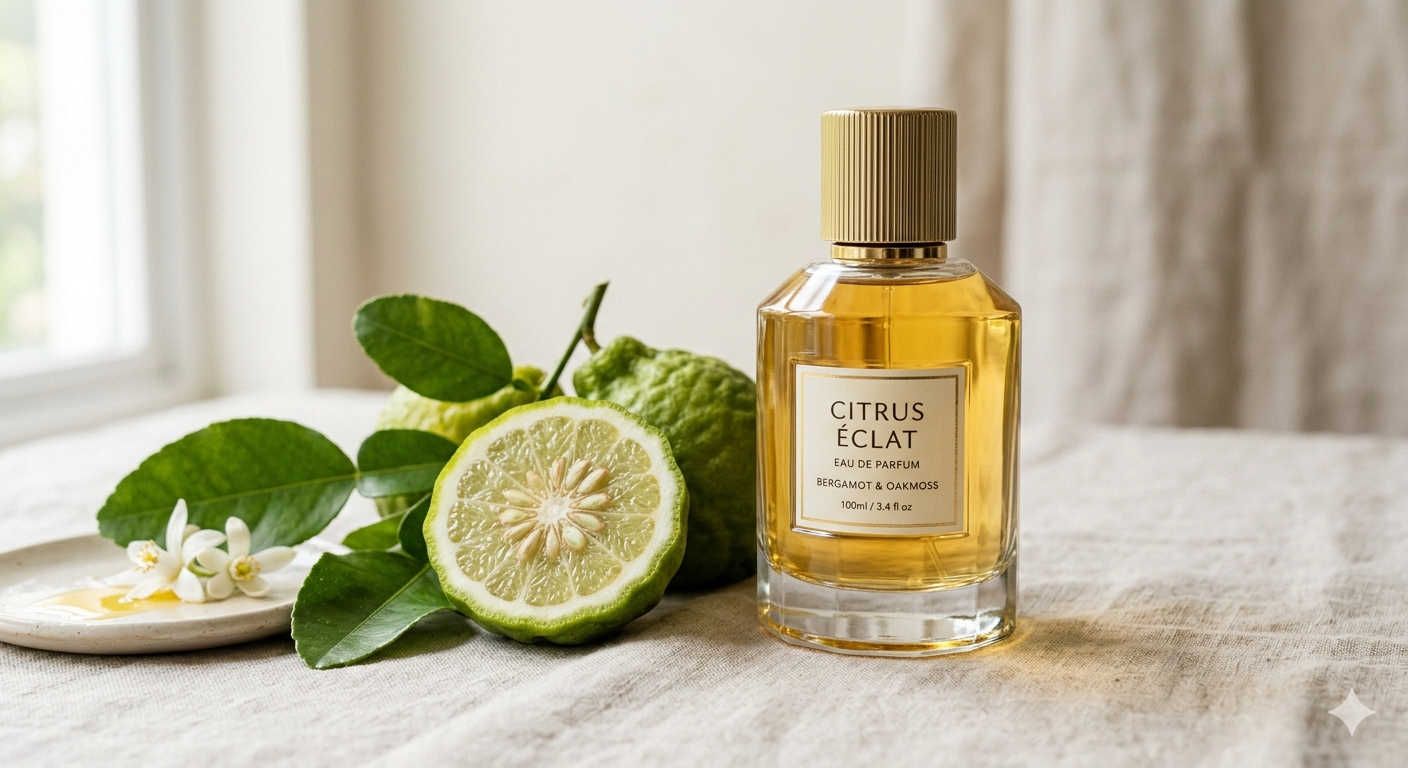
Bergamot is a citrus fruit that grows mainly in southern Italy. While it looks similar to a small orange or lime, its true value lies in its aromatic peel. Perfumers extract essential oil from the rind, and that oil becomes the bergamot note used in fragrances.
Unlike oranges or lemons, bergamot is not typically eaten. Its scent is far more significant than its taste. In perfumery, it has been used for centuries and is especially known for its role in classic colognes.
What makes bergamot unique is that it doesn’t smell like a typical citrus. Instead, it combines freshness, softness, and complexity in a way that feels refined rather than sharp.
What Does Bergamot Smell Like?
At a basic level, bergamot smells fresh, citrusy, slightly floral, and gently bitter. But that simple description doesn’t fully capture its character.
A more accurate way to describe it is this:
- Bright like lemon, but less sour
- Soft like orange, but less sweet
- Slightly floral, almost like neroli or lavender
- Lightly bitter, giving it a dry, sophisticated edge
- Clean and airy, with a subtle tea-like quality
The result is a scent that feels balanced and elegant. It doesn’t overwhelm the senses. Instead, it enhances everything around it.
If you’ve ever smelled Earl Grey tea, you already have a good reference point. That distinctive aroma comes from bergamot oil infused into the tea leaves.
Breaking Down the Bergamot Scent Profile
To really understand bergamot, it helps to look at how it behaves over time in a perfume.
The Opening: Sparkling and Energetic
When you first spray a fragrance with bergamot, you’ll notice an immediate burst of freshness. It feels crisp, clean, and uplifting. This is why bergamot is often used as a top note.
The opening can feel:
- Zesty and bright
- Light and refreshing
- Slightly sweet but not sugary
This initial impression sets the tone for the entire fragrance.
The Heart: Soft and Balanced
As the perfume settles, bergamot reveals a softer side. The sharpness fades, and what remains is a smooth, slightly floral aroma.
At this stage, you may notice:
- Gentle floral nuances
- A subtle aromatic quality
- A refined, rounded citrus feel
This is where bergamot begins to blend with other notes like flowers or spices.
The Drydown: Lightly Bitter and Clean
In its final stage, bergamot leaves behind a faint, dry freshness. It’s not strong, but it adds structure to the fragrance.
You might detect:
- A soft bitterness
- A green or tea-like undertone
- A clean, almost “soapy” finish
This dryness is what keeps bergamot from smelling overly sweet or artificial.
Why Bergamot Smells Different from Other Citrus Notes
Many people assume bergamot is similar to lemon or orange, but it’s actually more complex.
Here’s how it compares:
- Lemon is sharp, sour, and acidic
- Orange is sweet, juicy, and round
- Grapefruit is bitter and tangy
- Bergamot is balanced, slightly floral, and refined
Bergamot sits in the middle. It combines brightness with softness, making it far more versatile than other citrus notes.
Why Bergamot Is Used in So Many Perfumes
There’s a reason bergamot appears in a huge percentage of fragrances. It plays several important roles.
It Creates a Strong First Impression
Bergamot is often the first thing you smell when you apply a perfume. Its brightness immediately grabs attention and makes the scent feel fresh and appealing.
It Connects Different Notes
Perfumers often use bergamot as a “bridge” between top, middle, and base notes. It helps everything blend smoothly so the fragrance doesn’t feel disjointed.
It Balances Heavy Ingredients
In perfumes that contain rich notes like vanilla, amber, or oud, bergamot adds contrast. It lightens the composition and prevents it from feeling too dense.
It Works in Almost Every Fragrance Type
Bergamot is incredibly versatile. It appears in:
- Fresh and aquatic perfumes
- Floral fragrances
- Woody and masculine scents
- Sweet and oriental compositions
Few ingredients can adapt to so many different styles.
How Bergamot Smells in Different Types of Perfumes
The way bergamot smells depends heavily on what it’s paired with.
Fresh and Citrus Fragrances
In these perfumes, bergamot is the main attraction. It smells bright, airy, and energetic. These scents are often associated with summer and daytime wear.
Floral Perfumes
When combined with flowers, bergamot adds a sparkling freshness. It prevents floral notes from becoming too heavy or overly sweet.
Woody Fragrances
With woods like cedar or sandalwood, bergamot becomes more subtle. It adds a crisp opening that transitions into a deeper, more grounded scent.
Sweet or Oriental Perfumes
In richer fragrances, bergamot acts as a contrast. It cuts through sweetness and keeps the perfume from becoming overwhelming.
How to Recognize Bergamot in a Perfume
If you want to train your nose, here are some signs to look for:
- A fresh, citrusy opening that isn’t too sharp
- A scent that feels clean and airy
- A slight floral or tea-like nuance
- A balanced mix of brightness and softness
Once you start noticing these qualities, you’ll begin to recognize bergamot in many perfumes.
Popular Perfumes That Feature Bergamot
If you want to experience bergamot firsthand, these fragrances are excellent examples.
Acqua di Parma Colonia
A classic citrus fragrance where bergamot plays a leading role. It smells bright, elegant, and timeless.
Dior Sauvage Eau de Toilette
Here, bergamot adds a fresh, slightly spicy opening that contrasts with deeper woody notes.
Chanel Bleu de Chanel
Bergamot gives this fragrance its clean, sophisticated start before it transitions into a woody base.
Tom Ford Neroli Portofino
A luxurious citrus fragrance where bergamot blends beautifully with floral and aquatic notes.
Versace Dylan Blue
In this scent, bergamot adds freshness and brightness to an otherwise bold, masculine composition.
Why Bergamot Feels “Clean” in Perfume
Many people associate bergamot with cleanliness, and there’s a good reason for that.
Its scent is:
- Light and non-intrusive
- Quick to evaporate
- Fresh rather than heavy
This makes it ideal for products like soaps, shampoos, and everyday fragrances. It creates that “just showered” feeling.
Emotional and Psychological Effects of Bergamot
Bergamot isn’t just pleasant—it also affects how you feel.
It’s often described as:
- Uplifting and energizing
- Calming yet refreshing
- Mood-boosting
This dual effect—both relaxing and invigorating—is part of what makes it so appealing.
Common Misconceptions About Bergamot
“It smells like orange”
Not quite. It’s less sweet and more complex.
“It’s just another citrus note”
Bergamot is far more nuanced than typical citrus ingredients.
“It disappears too quickly”
While it’s a top note, its influence shapes the entire fragrance.
Tips for Choosing a Bergamot-Based Perfume
If you’re looking to buy a fragrance featuring bergamot, consider the following:
- For summer: choose light, citrus-forward scents
- For daily wear: look for balanced compositions with floral or woody notes
- For evenings: try fragrances where bergamot contrasts with deeper ingredients
Also, pay attention to how the perfume evolves. Bergamot may fade quickly, but its impact lingers in the overall composition.
FAQs About Bergamot in Perfume
What does bergamot smell like compared to lemon?
Bergamot is softer, less sour, and more complex. It has a slight floral quality that lemon lacks.
Is bergamot sweet or bitter?
It’s both. It has a gentle sweetness balanced by a mild bitterness, which gives it depth.
Why is bergamot used in so many perfumes?
Because it enhances freshness, improves blending, and works well with almost every type of note.
Does bergamot last long in perfume?
As a top note, it doesn’t last very long on its own. However, its effect influences the entire fragrance.
Is bergamot good for everyday wear?
Yes. Its clean, fresh scent makes it perfect for daily use, especially in warm weather.
Final Thoughts
Bergamot is much more than a simple citrus note. It’s a complex, refined ingredient that brings balance, freshness, and elegance to perfumes.
It smells like a perfect harmony of citrus brightness, floral softness, and subtle bitterness. It’s the note that makes a fragrance feel clean, polished, and complete.
Once you become familiar with its scent, you’ll start noticing it everywhere—from luxury perfumes to everyday products. And with that recognition comes a deeper appreciation for how fragrances are crafted.
The next time you spray a perfume and notice that fresh, uplifting opening, you’ll know exactly what you’re experiencing. It’s bergamot doing what it does best—making everything smell better.