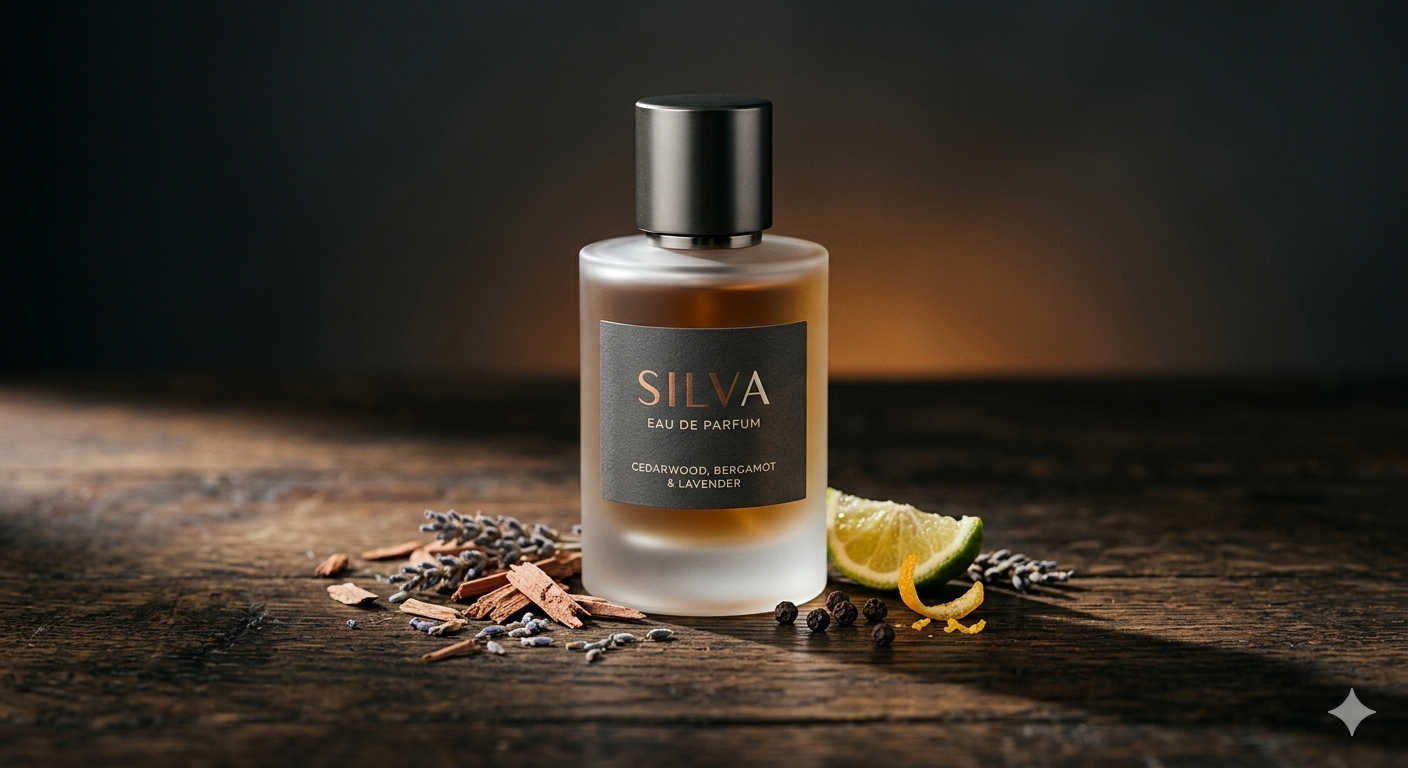
Walk into any department store fragrance section and you’ll see two words appear again and again across dozens of bottles: Pour Homme. Pronounced “poor om,” these two French words carry a very straightforward meaning — “for man” or simply “for men.”
Pour is the French word for “for,” and homme means “man.” Together, the phrase acts as a gender marker on a cologne bottle, letting you know right away that the product was designed and marketed with men in mind. That’s the core of it.
But if you think that’s all there is to know, you’d be missing something much more interesting. The phrase “Pour Homme” carries centuries of history behind it, connects to a broader tradition of French luxury, and says quite a bit about how the fragrance world thinks — and has always thought — about identity, elegance, and who gets to smell a certain way.
Why Is a French Phrase on My Cologne Bottle?
This is one of those questions that seems obvious once you know the answer, but genuinely puzzling before you do.
The short version: France, and specifically a small town in Provence called Grasse, became the center of the global perfume trade several centuries ago. The geography helped — the warm Mediterranean climate was ideal for cultivating aromatic plants like jasmine, tuberose, rose, and mimosa. Perfumers there developed techniques, traditions, and a shared vocabulary that gradually spread outward across the industry. By the time other countries began producing their own fragrances at scale, French terminology had already become the established professional standard.
Today, it doesn’t matter where a brand originates. An Italian fashion house like Versace, a German company like Hugo Boss, and an American designer like Tom Ford all use French on their fragrance labels. It’s the shared language of the trade — the way Latin once served medicine or Italian serves classical music. Using French signals that a product belongs to a tradition of refinement and craft, and that association, whether or not we consciously recognize it, still carries real weight with buyers.
So when you see “Pour Homme” on a bottle, it’s doing two jobs simultaneously. It tells you who the fragrance is marketed toward, and it quietly invokes a centuries-old lineage of French perfumery that lends the product a particular sense of prestige.
How “Pour Homme” Compares to Other Fragrance Labels
Once you understand Pour Homme, the rest of the fragrance label vocabulary starts to fall into place quickly. Here’s how the most common terms line up against each other:
Pour Homme — meaning “for man” — appears on men’s fragrances across every price point and style category you can imagine.
Pour Femme — meaning “for woman” — is the direct counterpart, and you’ll see it across women’s fragrances from breezy florals to rich, heavy orientals.
Pour Elle — meaning “for her” — is functionally identical to Pour Femme but carries a slightly more intimate, personal tone. Some brands favor it for that reason.
Pour Monsieur — meaning “for the gentleman” — has a slightly more formal, refined flavor. Chanel used exactly this phrase on their earliest men’s fragrance, first introduced in 1955, and it remains one of the more distinguished labels in the space.
Unisex or Genderless — This category has expanded considerably over the last decade or so. Brands like Le Labo, Byredo, and Maison Margiela have built serious followings around fragrances that deliberately sidestep any gendered language, letting the scent itself do all the communicating.
The differences between these labels matter for navigating a fragrance counter, but none of them are rules. A label reflects the brand’s intentions for the product — not a prescription for who is allowed to enjoy wearing it.
Does “Pour Homme” Actually Mean the Cologne Smells Masculine?
Traditionally, yes — but the honest answer is more layered than that.
When the major European perfume houses were defining what men’s fragrance should smell like throughout most of the twentieth century, they built Pour Homme compositions around a specific palette of notes that were culturally understood as masculine. Earthy vetiver, dry cedarwood, resinous oakmoss, crisp lavender, aromatic herbs, and sharp citrus openings were the building blocks. The classic fougère structure — from the French word for fern — became the foundational skeleton of countless men’s releases during that era, and its influence is still visible in the category today.
That tradition continues to shape a lot of what gets labeled Pour Homme. Woody bases, lightly spiced hearts, and clean citrus top notes remain common because they’re what buyers have come to recognize and expect from men’s fragrance. But the category has expanded well beyond those historical conventions.
Dior Homme, released in 2005, is a useful example. It built its entire identity around a powdery, soft iris accord — a note that had historically been considered part of women’s perfumery. That was a deliberate artistic decision, and rather than alienating buyers, it became one of the most praised and influential men’s fragrances of its generation. Versace Pour Homme, meanwhile, leans into fresh aquatic and citrus notes that feel more Mediterranean than traditionally masculine in any old-fashioned sense.
The practical takeaway is that “Pour Homme” is a marketing designation, not a chemical specification. It points toward a brand’s intended audience, not toward the specific ingredients in the formula. Some Pour Homme fragrances are rich, deep, and conventionally masculine. Others are airy, soft, or quietly floral. The label is a starting point for orientation — not a guarantee of what’s inside.
Well-Known Pour Homme Fragrances Worth Knowing
If you want to understand the Pour Homme category through the products that genuinely define it, a few names come up consistently in serious fragrance conversations:
Versace Pour Homme delivers a clean, luminous experience built around neroli, hyacinth, and cedarwood. It’s often recommended as an entry point into the category precisely because it wears easily, works well in warm weather, and never becomes polarizing. It’s the kind of fragrance that’s easy to like without fully understanding why.
Dior Homme remains one of the most significant men’s releases of the modern era. Its soft powdery iris and faint cocoa base created a new kind of masculine aesthetic — quiet, refined, and self-assured rather than bold or projecting. Many brands spent the decade after its release trying to capture something similar.
Paco Rabanne Pour Homme, first released in 1973, is essentially a textbook fougère in a bottle. Herbaceous, woody, and warm in the way that defined mainstream masculine fragrance for several decades, it’s worth experiencing just to understand where so many other colognes came from and what they were reacting to.
Givenchy Pour Homme balances lavender, mandarin, and vetiver into something that feels simultaneously relaxed and polished. It adapts well across settings without ever demanding attention, which is a genuine skill in fragrance design.
Dior Sauvage doesn’t always carry the “Pour Homme” label explicitly on packaging, but it represents what the broader category looks like at its commercial peak right now — a sharp, peppery composition built around ambroxan that has become one of the most widely purchased men’s fragrances in recent years.
Sampling a few of these side by side gives you a real sense of the range the Pour Homme category contains, from classic fougères to modern clean-citrus compositions.
Understanding Fragrance Concentrations
Shopping for a Pour Homme cologne means running into a second layer of terminology that describes how much fragrance oil a formula actually contains. This directly affects both intensity and how long the scent lasts on your skin throughout the day.
Eau de Cologne (EdC) carries the lowest concentration, typically around two to four percent fragrance oil. These formulas are light, fresh, and casual — they make a pleasant impression without lingering for hours, which suits certain moods and settings perfectly.
Eau de Toilette (EdT) sits in the five to fifteen percent range and remains the most common format for men’s fragrances globally. It balances reasonable longevity with a lightness that makes it comfortable across most daily situations, and the majority of classic Pour Homme releases exist primarily in this format.
Eau de Parfum (EdP) pushes the concentration up to roughly fifteen to twenty percent. These versions last longer, project more noticeably in the hours after application, and often show greater depth and complexity as they develop on the skin. The Pour Homme category has shifted meaningfully toward EdP releases over the past decade.
Parfum or Extrait de Parfum represents the most concentrated format, typically running from twenty to forty percent. A small quantity covers a lot of ground, the longevity is exceptional, and the scent tends to sit close to the skin in an intimate rather than broadcasting way. These are almost always the most expensive versions of any given fragrance.
Dior Sauvage illustrates this well — it’s available in Eau de Toilette, Eau de Parfum, and Parfum, and each version has a distinct personality even though the core character remains recognizable across all three.
How to Choose a Pour Homme Fragrance That Actually Works for You
Buying cologne without any guiding strategy is how people end up with a collection of bottles that get used once and then gather dust. A more thoughtful approach makes the experience far more satisfying — and saves money in the long run.
Understand what you’re naturally drawn to first. Before walking into a store or scrolling through online options, think about smells you already respond well to in everyday life. Fresh cut wood, warm baked spices, clean linen, citrus peel — these preferences map almost directly onto fragrance families. Knowing your starting point narrows the field considerably.
Match your concentration choice to the context. A dense, resinous Eau de Parfum might be exactly right on a cold winter evening but feel overwhelming in a small warm office in July. Think about when and where you’ll be wearing the fragrance before settling on a concentration.
Give it real time on your skin before deciding. Paper testing strips are useful as a quick first filter, but skin chemistry changes how a fragrance unfolds over time. Try new scents directly on your wrist and give them at least thirty minutes, preferably longer. The opening impression — the top notes — fades within minutes. What matters is what’s left after that initial burst settles.
Think about the season. Lighter, citrus-forward or aquatic fragrances perform far better in heat. Woodier, spicier, and warmer compositions suit cooler temperatures naturally. Wearing a seasonally appropriate fragrance makes a bigger perceptible difference than most people expect.
Don’t let the label make the final decision. If a fragrance labeled Pour Femme genuinely appeals to you, wear it. Nobody experiences a label — they experience the scent. Fragrance is one of the most personal and expressive choices you make each day, and the only relevant standard is whether it resonates with you.
Frequently Asked Questions About “Pour Homme”
What language is “Pour Homme”? It’s French. The phrase translates directly to “for man” in English. French became the standard language of the global fragrance industry several centuries ago, which is why brands from Italy, Germany, the United States, and beyond still use it on their bottles.
Is Pour Homme cologne only for men? The label indicates a fragrance was designed and marketed with men in mind, but there are no rules about who can wear it. Personal preference is the only meaningful guide, and plenty of people comfortably wear fragrances across gendered categories without a second thought.
What is the difference between Pour Homme and Pour Femme? Pour Homme means “for man” and appears on products marketed toward men. Pour Femme means “for woman” and appears on products marketed toward women. Beyond the marketing direction, the distinction often reflects differences in typical scent profiles — though those differences have blurred significantly as the industry has evolved.
What does Pour Monsieur mean compared to Pour Homme? Both point toward men, but Pour Monsieur carries a more formal, elevated register. Monsieur is the French word for Mister or Gentleman, giving the phrase a refined edge that certain luxury brands prefer over the more casual Pour Homme.
Why do non-French brands use French on cologne labels? Because French became the professional language of the perfume industry, rooted in centuries of French influence over how fragrances were made, sold, and discussed. Today it functions partly as tradition and partly as a quality signal, regardless of where a brand actually comes from.
Does Pour Homme guarantee a traditionally masculine scent? Not at all. While many Pour Homme releases use conventionally masculine notes like cedarwood, pepper, and herbs, the label is a marketing designation rather than a formula requirement. Some Pour Homme fragrances are notably soft, floral, or powdery — well outside what older definitions of masculine scent would include.
Is cologne the same thing as Eau de Toilette? In everyday conversation, cologne is used loosely to mean any men’s fragrance. Technically, though, Eau de Cologne refers to a specific low-concentration format. Eau de Toilette, Eau de Parfum, and Parfum are all distinct formats with meaningfully different strengths and longevity profiles.
How long does a typical Pour Homme Eau de Toilette last? Somewhere between three and five hours on average, though this varies based on skin type, ambient temperature, and the specific formula involved. Drier skin tends to absorb fragrance more quickly, and applying a light unscented moisturizer beforehand can help extend the wear time noticeably.
Can a fragrance labeled Pour Homme smell good on a woman? Absolutely. Many women deliberately choose fragrances from the Pour Homme category precisely because they find the woody, earthy, or spiced profiles more appealing than what’s typically marketed toward them. Fragrance preference doesn’t follow labels — it follows personal taste.
A Final Word
Two small French words printed on a cologne bottle can tell you a surprising amount — about marketing, about history, about how the fragrance industry has long thought about identity and gender. But they can’t tell you whether a particular scent will resonate with you personally, how it will develop on your specific skin chemistry, or whether you’ll reach for it automatically on a Tuesday morning three months from now.
That part only comes from actually wearing fragrances, paying attention to how they make you feel, and being willing to try things that don’t immediately announce themselves as being “for you.” The best Pour Homme fragrance isn’t necessarily the most famous one or the most expensive one. It’s the one that, for reasons you might not be able to fully put into words, just fits.