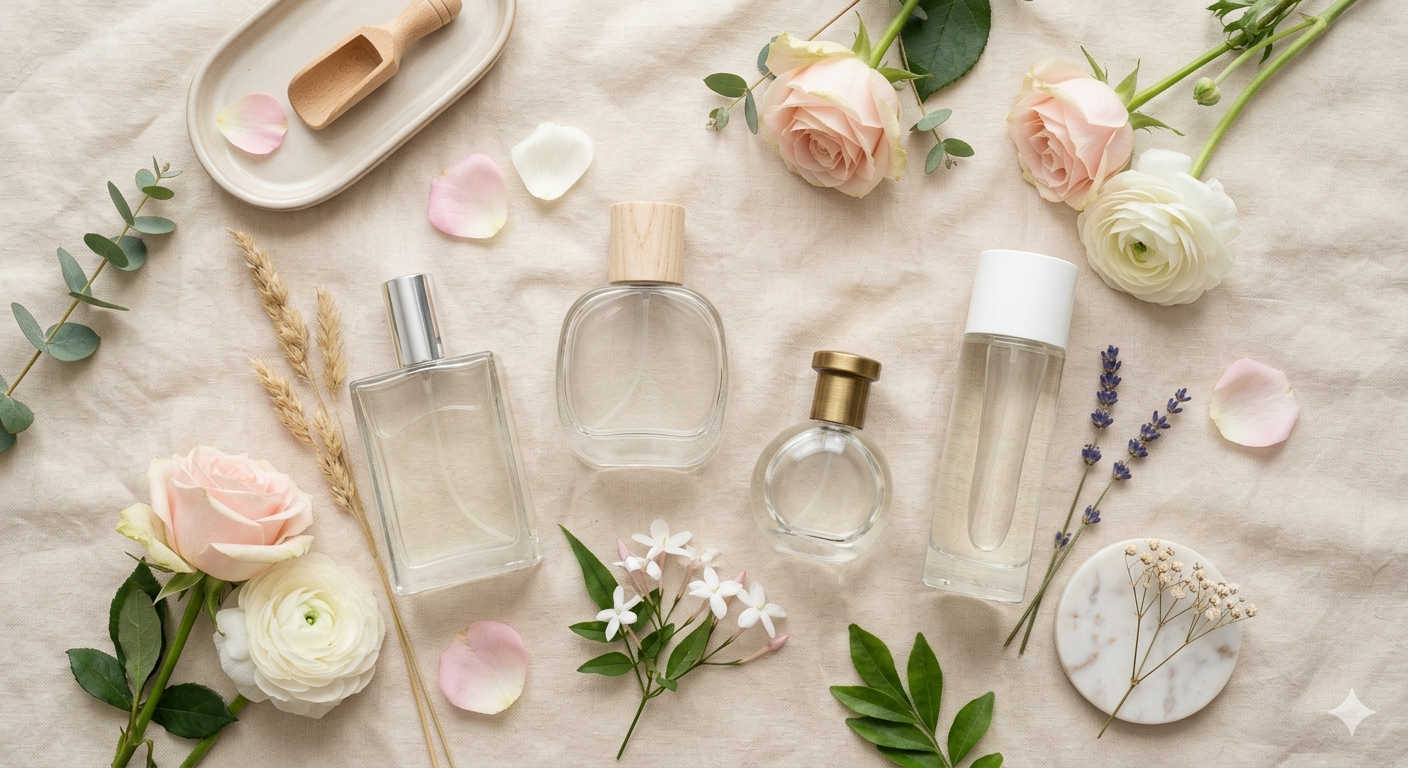
If your skin reacts badly to fragrance—itching, redness, headaches, or irritation—you’re not alone. Many people struggle to find a perfume they can actually enjoy wearing. The good news is that you don’t have to give up fragrance entirely. With the rise of hypoallergenic perfumes, it’s now possible to smell great without compromising your skin’s comfort.
This guide breaks everything down in a practical, easy-to-follow way. You’ll learn what causes irritation, how to choose the right perfume, and which products are genuinely worth trying.
What Makes a Perfume Hypoallergenic?
A hypoallergenic perfume is designed to minimize the risk of allergic reactions. That doesn’t mean it’s completely risk-free, but it significantly reduces common triggers.
These perfumes are typically:
- Made with fewer ingredients
- Free from harsh chemicals and dyes
- Lower in alcohol or completely alcohol-free
- Built around gentle scent profiles
The idea is simple: the fewer irritating elements involved, the safer the fragrance is for sensitive skin.
Why Regular Perfumes Can Irritate Your Skin
Many traditional perfumes are complex mixtures of synthetic compounds, preservatives, and alcohol. While they smell great, they can be tough on sensitive skin.
Alcohol Content
Most perfumes contain a high level of alcohol, which can:
- Dry out your skin
- Disrupt your natural skin barrier
- Increase irritation over time
Fragrance Allergens
Common ingredients like linalool, eugenol, and synthetic musks can trigger reactions such as itching or redness.
Overly Complex Formulas
The more ingredients a perfume has, the higher the chance something in it will irritate your skin.
Signs You May Need a Hypoallergenic Perfume
If you experience any of the following after applying fragrance, switching to a gentler option is a smart move:
- Red or inflamed skin
- Burning or itching sensation
- Dry patches or rash
- Headaches after smelling strong scents
- Sneezing or breathing discomfort
Even mild symptoms shouldn’t be ignored—they often get worse with continued exposure.
How to Choose the Right Perfume for Sensitive Skin
Choosing a skin-friendly fragrance isn’t just about picking something labeled “gentle.” You need to look a little deeper.
Go for Alcohol-Free or Low-Alcohol Options
Perfume oils and solid perfumes are often the safest choice because they don’t evaporate harshly on the skin.
Look for Short Ingredient Lists
A simpler formula reduces the risk of irritation.
Choose Softer Fragrance Families
Some scent types are naturally less irritating than others.
Best options include:
- Light musks
- Aquatic or fresh scents
- Soft vanilla
- Mild florals
Avoid Known Irritants
Stay away from perfumes that list:
- Synthetic musks
- Heavy spices
- Strong citrus oils (especially for daytime use)
Best Hypoallergenic Perfumes for Sensitive Skin
Here are some well-known options that balance fragrance quality with skin-friendliness.
Clinique Aromatics Elixir
A classic fragrance that has remained popular for years. It offers a refined floral-woody scent while maintaining a relatively gentle formulation compared to many traditional perfumes.
Why it works: Balanced composition with fewer harsh irritants.
Estée Lauder White Linen
This is a clean, crisp fragrance that feels light and breathable. It’s ideal for everyday use, especially in warmer climates.
Why it works: Subtle scent profile that doesn’t overwhelm the senses.
Pacifica Persian Rose
A great option if you prefer plant-based beauty products. It delivers a soft rose fragrance without relying heavily on synthetic chemicals.
Why it works: Vegan formula with a simpler ingredient structure.
Weleda Citrus Eau de Toilette
Fresh and uplifting, this fragrance is made with natural ingredients and has a very light feel.
Why it works: Minimal processing and gentle citrus composition.
La Roche-Posay Eau Florale
This is one of the best options for extremely sensitive skin. It’s closer to a skincare mist than a traditional perfume.
Why it works: Alcohol-free and designed with sensitive skin in mind.
Pacifica Dream Moon Perfume
A modern, clean fragrance with a soft and comforting scent. It’s ideal if you want something subtle but noticeable.
Why it works: Lightweight formula that avoids harsh additives.
Ecco Bella Rose Eau de Parfum
This fragrance focuses on simplicity and natural ingredients, offering a delicate and romantic scent.
Why it works: Free from synthetic preservatives and unnecessary chemicals.
Herban Cowboy Dusk
A warm, slightly sweet fragrance with a cozy feel. It’s great for evening wear.
Why it works: Minimal ingredient list and softer scent intensity.
How to Wear Perfume Without Irritating Your Skin
Even the best hypoallergenic perfume can cause issues if used incorrectly. These simple techniques can make a big difference.
Always Patch Test
Before using a new fragrance:
- Apply a small amount on your inner arm
- Wait 24 hours
- Check for any reaction
Apply on Clothes Instead of Skin
Spraying perfume on clothing reduces direct contact with your skin and lowers the risk of irritation.
Moisturize First
Hydrated skin is less reactive. Apply an unscented moisturizer before using perfume.
Use Less Product
A small amount is enough. Overapplying increases the chance of irritation.
Avoid Sun Exposure After Application
Some fragrance ingredients can react with sunlight and irritate your skin.
Are Natural or “Clean” Perfumes Better?
Not always. This is a common misconception.
Natural ingredients can still cause irritation. For example:
- Essential oils can be strong allergens
- Citrus extracts can increase sun sensitivity
What matters most is how your skin reacts, not whether a product is labeled “natural” or “clean.”
Why Oil-Based Perfumes Are a Better Option
Perfume oils are becoming increasingly popular for people with sensitive skin—and for good reason.
Benefits of Perfume Oils
- No alcohol content
- Longer-lasting scent
- Less likely to cause irritation
- Stay close to the skin (less overwhelming)
They’re especially useful in warm, humid climates where alcohol-based perfumes can feel harsh.
Common Mistakes to Avoid
Many people unknowingly make choices that worsen skin reactions.
- Using too many scented products together
- Applying perfume directly after shaving
- Ignoring mild irritation signs
- Choosing strong, heavy fragrances
Avoiding these habits can significantly improve your experience.
FAQs About Hypoallergenic Perfumes
What is the safest type of perfume for sensitive skin?
Alcohol-free perfume oils or minimalist formulations with fewer ingredients are generally the safest.
Can hypoallergenic perfumes still cause reactions?
Yes, but the risk is much lower. Everyone’s skin is different, so patch testing is still important.
Is it better to spray perfume on clothes?
Yes, especially if your skin reacts easily. It helps you enjoy the scent without direct exposure.
How long do hypoallergenic perfumes last?
They may not last as long as traditional perfumes, especially if they are alcohol-free. However, oil-based options tend to last longer.
Are expensive perfumes safer for sensitive skin?
Not necessarily. Price doesn’t determine how gentle a perfume is—ingredients do.
Final Thoughts
Finding the right perfume for sensitive skin takes a bit of trial and error, but it’s absolutely possible. The key is to focus on gentle formulations, simple ingredients, and subtle scent profiles.
Start with one of the recommended options above, test it carefully, and pay attention to how your skin responds. With the right approach, you can enjoy fragrance again—comfortably and confidently.