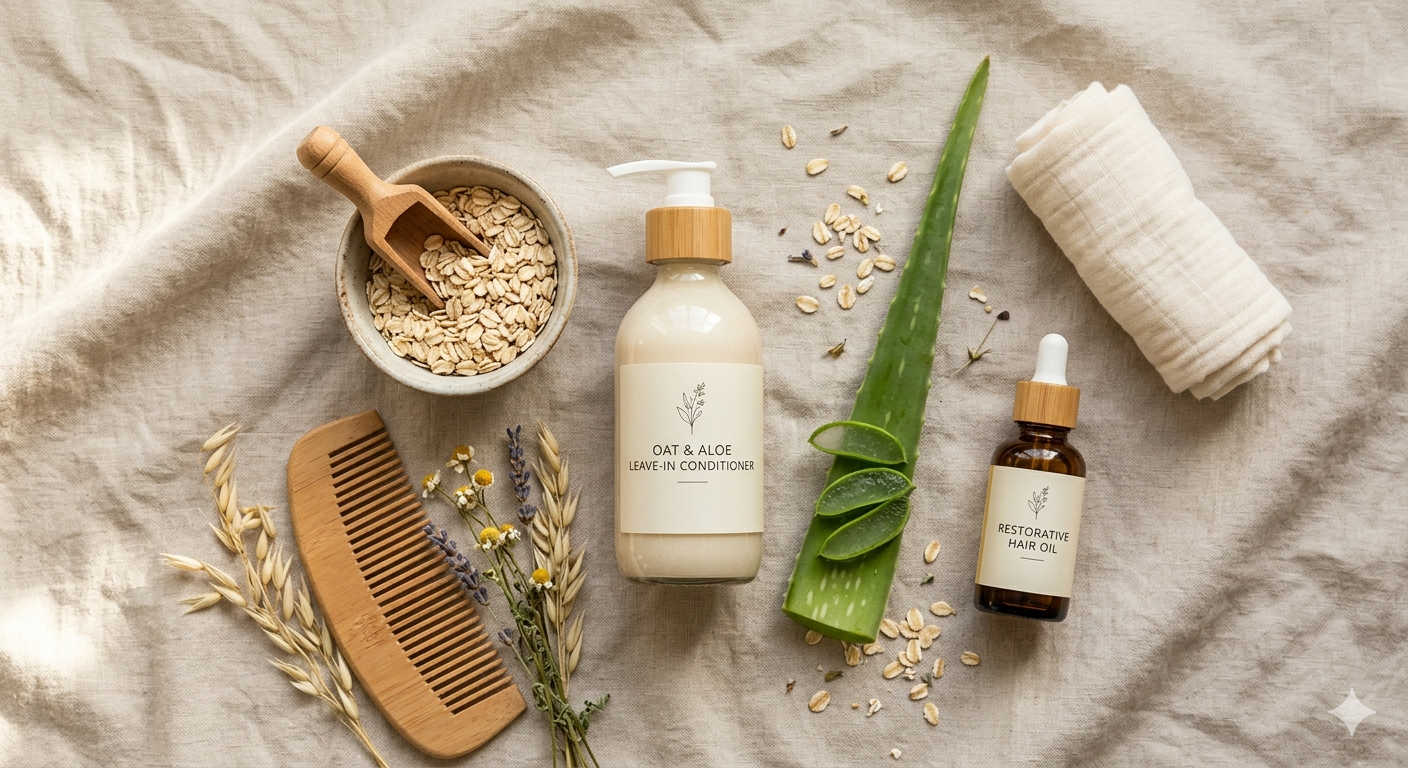
Dealing with a sensitive scalp can turn even the simplest haircare routine into a frustrating experience. If your scalp reacts with itching, redness, or irritation, the products you use matter more than you might think. One of the most overlooked yet highly effective solutions is a well-formulated leave-in conditioner.
Unlike rinse-out conditioners, leave-in formulas stay on your hair and scalp throughout the day. That means they can either continuously soothe and protect—or unfortunately, prolong irritation if the formula isn’t suitable. This guide breaks down how to choose the right product, what ingredients to look for, and the best leave-in conditioners specifically suited for sensitive scalps.
What Makes a Scalp “Sensitive”?
A sensitive scalp isn’t a medical diagnosis—it’s a condition where your skin reacts easily to external triggers. You might notice:
- Persistent itching or tingling
- Red or inflamed patches
- Dryness or flaking
- A tight or uncomfortable feeling after washing
These reactions are often caused by harsh ingredients, environmental stress, or a weakened scalp barrier. In some cases, underlying issues like dandruff or dermatitis may also contribute.
The goal of a good leave-in conditioner is to restore balance, reduce irritation, and support the scalp’s natural barrier.
Why Use a Leave-In Conditioner for a Sensitive Scalp?
Many people avoid applying products to their scalp out of fear of irritation—but the right leave-in conditioner can actually help.
Here’s how:
- Long-lasting hydration: Keeps the scalp moisturized throughout the day
- Reduced friction: Makes detangling easier, minimizing stress on the scalp
- Barrier protection: Shields against pollution and dryness
- Improved manageability: Reduces the need for excessive styling
The key is choosing a formula that is gentle, lightweight, and free from common irritants.
Key Ingredients to Look For
When shopping for a leave-in conditioner for a sensitive scalp, focus on calming and non-reactive ingredients.
Soothing Agents
These help reduce inflammation and calm irritation:
- Oat extract
- Aloe vera
- Chamomile
- Calendula
Hydrating Ingredients
Look for lightweight moisture that won’t clog pores:
- Glycerin
- Hyaluronic acid
- Panthenol (Vitamin B5)
Gentle Oils
Some oils can nourish without overwhelming the scalp:
- Jojoba oil
- Argan oil
Ingredients to Avoid
Even premium products can trigger irritation if they contain the wrong components. Try to avoid:
- Strong artificial fragrances
- High concentrations of essential oils
- Drying alcohols
- Heavy silicones (if buildup is an issue)
- Artificial dyes
For sensitive scalps, simpler formulas are often more effective.
Best Leave-In Conditioners for Sensitive Scalps
Here are some of the most reliable and widely recommended options that balance gentleness with performance.
Briogeo Be Gentle, Be Kind Aloe + Oat Milk Leave-In
This is a standout option for anyone dealing with frequent irritation. The formula is fragrance-free and packed with soothing ingredients like aloe and oat extract. It hydrates without feeling heavy and works well for most hair types.
Curlsmith Fragrance-Free Leave-In Conditioner
If you have curly or thick hair, this product provides deeper moisture while still being safe for sensitive scalps. It’s completely fragrance-free and uses nourishing oils without overwhelming the skin.
Aveeno Oat-Based Leave-In Conditioner
A great budget-friendly option that focuses on scalp comfort. Oat is known for its calming properties, making this ideal for dryness and itchiness. It’s lightweight and easy to use daily.
SheaMoisture Moringa & Avocado Leave-In Conditioner
This one is better suited for dry or damaged hair. It offers intense hydration and nourishment, although those with very fine hair may find it slightly heavy.
NaturVital Sensitive Leave-In Conditioner
A spray-based leave-in that feels incredibly light. It’s a good choice if creams tend to weigh your hair down or irritate your scalp.
Noughty Care Taker Fragrance-Free Leave-In
Designed specifically for sensitive scalps, this product keeps things simple and gentle. It’s effective, affordable, and suitable for regular use.
Malin + Goetz Cilantro Conditioner (Used as Leave-In)
Although technically a rinse-out conditioner, many people use a small amount as a leave-in due to its lightweight formula. It works especially well for fine hair that needs minimal residue.
How to Use Leave-In Conditioner Without Causing Irritation
Even the best product can cause issues if applied incorrectly. A few simple adjustments can make a big difference.
- Apply to damp hair, not soaking wet
- Start with a small amount
- Focus on mid-lengths and ends first
- Only apply near the scalp if the product is specifically designed for it
- Avoid layering too many styling products afterward
If your scalp is currently inflamed, it’s better to avoid direct application until it calms down.
Common Mistakes That Can Worsen Sensitivity
Overusing Product
Too much leave-in conditioner can lead to buildup, which may irritate the scalp over time.
Ignoring Ingredient Lists
“Natural” doesn’t always mean safe. Some botanical extracts and essential oils can still trigger reactions.
Switching Products Too Often
Constantly trying new products can make it harder to identify what works and what doesn’t.
Applying on a Compromised Scalp
If your scalp is already irritated, introducing new products can worsen the situation.
Leave-In Conditioner vs Rinse-Out Conditioner
Both have their place, but they serve different purposes.
- Leave-in conditioners provide long-term hydration and protection
- Rinse-out conditioners offer short-term smoothing and softness
For sensitive scalps, leave-ins can be beneficial—but only if they’re carefully chosen and used in moderation.
Tips for Maintaining a Healthy, Calm Scalp
A leave-in conditioner works best when combined with good overall haircare habits:
- Wash your hair with lukewarm water
- Use mild, sulfate-free shampoos
- Avoid scratching or aggressive brushing
- Keep your scalp hydrated but not overloaded
- Patch test new products before full use
Consistency is more important than constantly changing your routine.
Frequently Asked Questions (FAQs)
Can leave-in conditioner cause scalp irritation?
Yes, if it contains harsh ingredients or is applied excessively. Choosing a fragrance-free and gentle formula significantly reduces this risk.
Should I apply leave-in conditioner directly to my scalp?
Only if the product is specifically formulated for scalp use. Otherwise, focus on the lengths of your hair.
How often should I use a leave-in conditioner?
Most people can use it after every wash. If you have a very sensitive scalp, start with a smaller amount and adjust based on how your skin responds.
Are natural leave-in conditioners better for sensitive scalps?
Not always. Some natural ingredients can still cause irritation. What matters most is how your scalp reacts to the formula.
What is the best type of leave-in conditioner for daily use?
Lightweight, fragrance-free, and non-greasy formulas are best for daily use, especially if you have a sensitive scalp.
Final Thoughts
Finding the right leave-in conditioner for a sensitive scalp doesn’t have to be complicated. The most effective products focus on gentle hydration, minimal ingredients, and soothing properties.
If your scalp reacts easily, start with a simple, fragrance-free option and use it sparingly. Pay attention to how your skin responds over time, and resist the urge to constantly switch products.
With the right approach, a leave-in conditioner can transform your routine—not just improving your hair, but making your scalp feel comfortable and healthy again.